By Cecil Egbele | Contributing Writer | California Local News Fellow
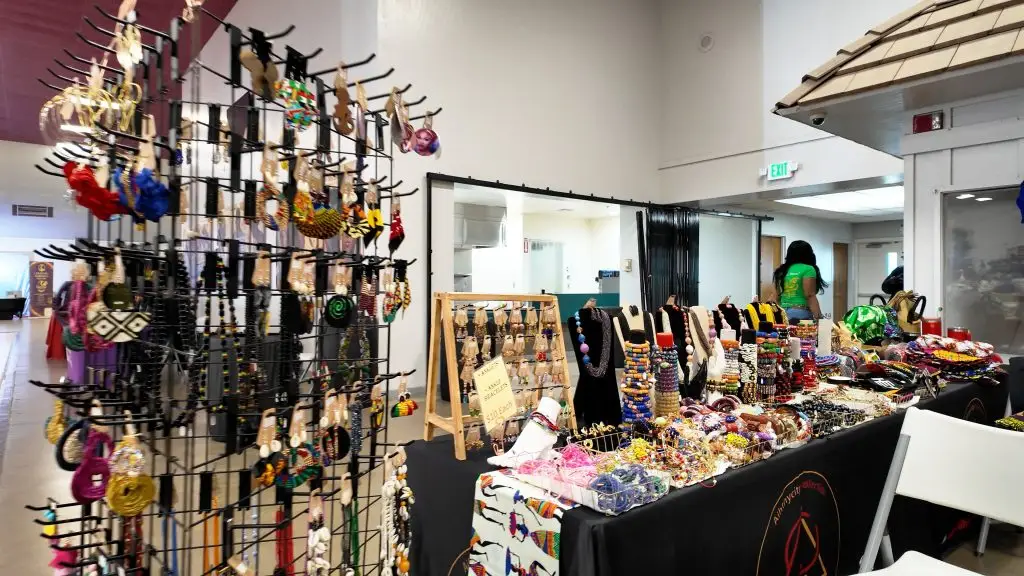
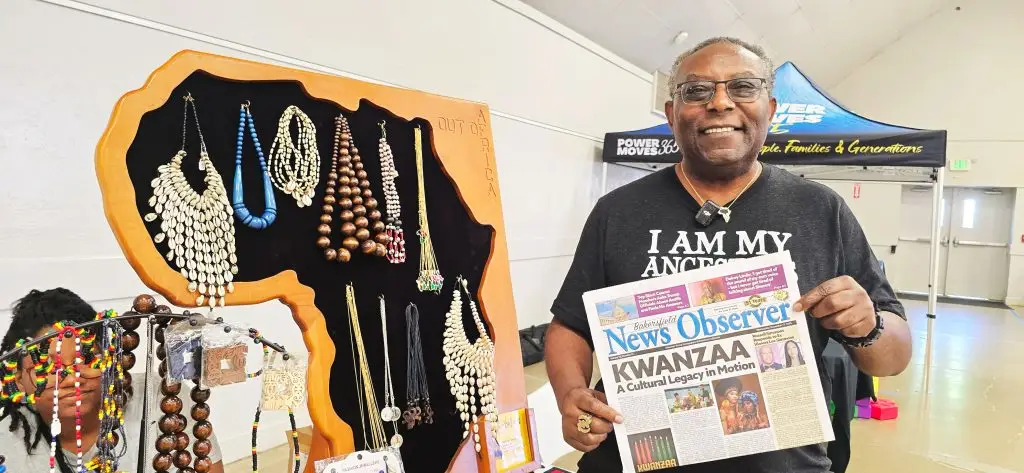
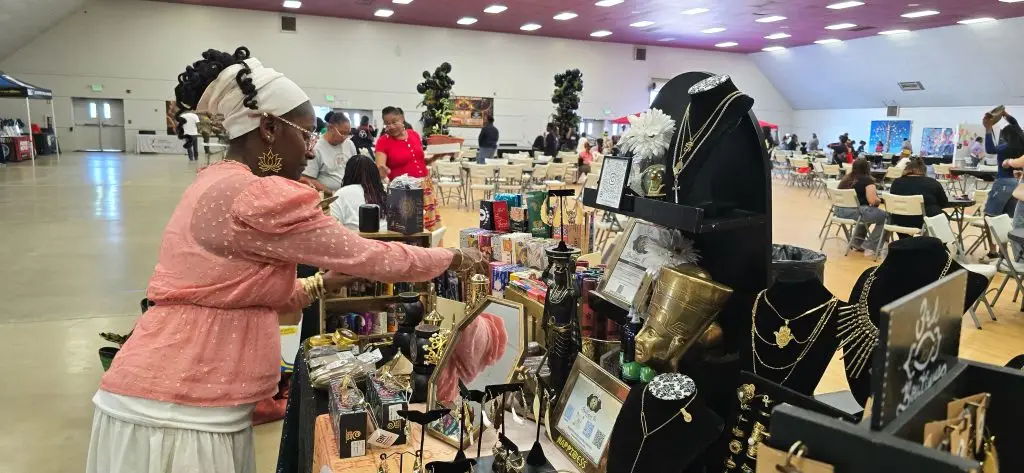
The annual Black Healing Summit in Bakersfield was a marketplace, a workshop, and a reunion all at once. Under one roof, vendors sold African art, offered grief support, explained birth options, shared mental health resources, and offered visitors into forms of healing that reached far beyond clinical settings.
The April 18 event, organized by Community Interventions, was designed around the idea that Black wellness is cultural, communal, and intentional.
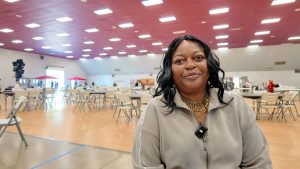
“This year has been different because we had more space to really enjoy one another and network, bond and provide more education on what healing justice is,” said Ucedrah Osby, founder and executive director of Community Interventions, a Bakersfield-based nonprofit focused on addressing social justice issues through community-led programs and advocacy.
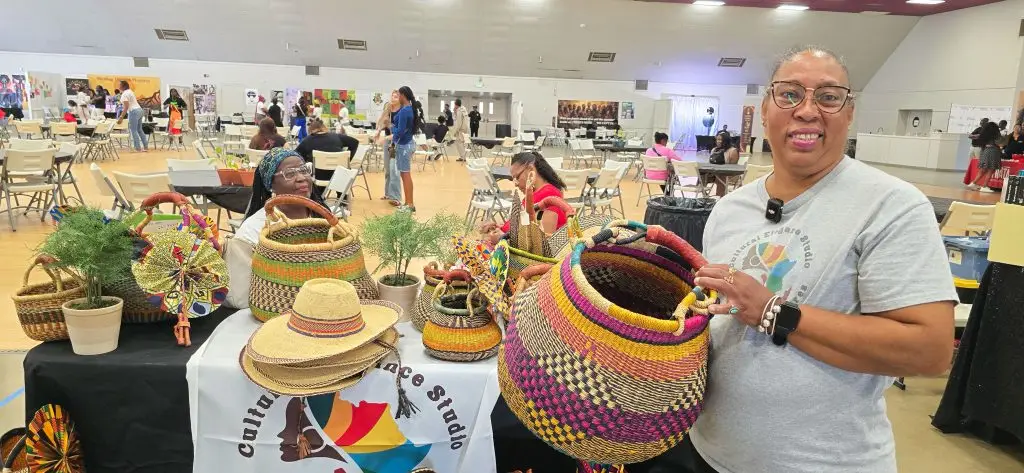
The Black Healing Summit, had 350 attendees in the 500-person capacity hall at the Kern County Fair, featured a carefully selected group of vendors, artists, counselors, advocates, and families for a full day of exhibits and workshops.
Osby said the summit reflects a broader understanding of healing that moves outside of conventional medicine. “Our ancestors showed us how powerful herbs are, how powerful family is, how powerful getting together and bonding is healing,” she said.
Now in its fourth year, the Black Healing Summit has grown to be a significant Black-centered gathering in Bakersfield, a city where spaces for Black wellness and community events are limited. The event’s emphasis on community-led care raises broader questions about gaps in formal systems, particularly around mental health, grief support, and culturally responsive services.
This year’s theme, “Rooted in history, planting seeds for tomorrow,” was reflected in a range of health offerings, from therapy sessions, grief counseling, and cultural education. Attendees visited about 29 vendor booths to engage in workshops, exercises, networking, and bonding.
“What you need to know about all of our vendors is that they have been intentional about being here and investing in the healing journeys of the Black community. That is our prerequisite,” said Osby.
Teresa “Tree” Moses of Tree’s House of Soul offered grief activities, including balloon releases and collage-making. She said that grief is just love with no place to go.
She emphasized that someone could have positive things happening but be experiencing grief at the same time. “It could be grief of losing a job, grief of graduating from college, but your mom is not coming this time because she’s gone.”
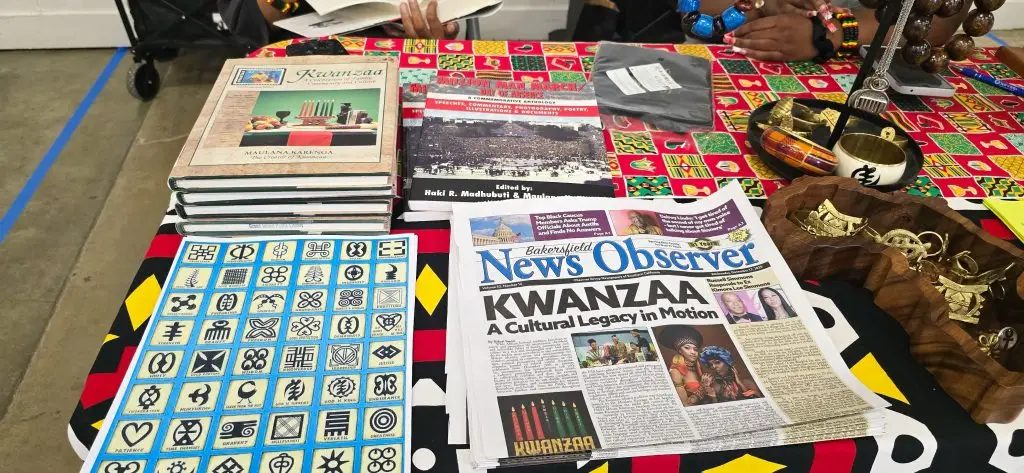
Sanyu Bakari of the Sankofa Collective, a Bakersfield cultural organization, emphasized identity as a form of healing. “Our primary function is to promote connection to African heritage and culture all year round,” he said.
For holistic therapist Marasha Miller, healing means bridging clinical care and holistic practice. She described her work at Place of Preservation Holistic Family Counseling as an “integrated approach to healing,” combining sound, yoga, and traditional therapy to calm the nervous system.
Diane Lucien, who operates under the name The Light Tower, offered psychic readings and energy healings at her booth. “All negative energy has to go,” she said. “That’s what I’m all about.”
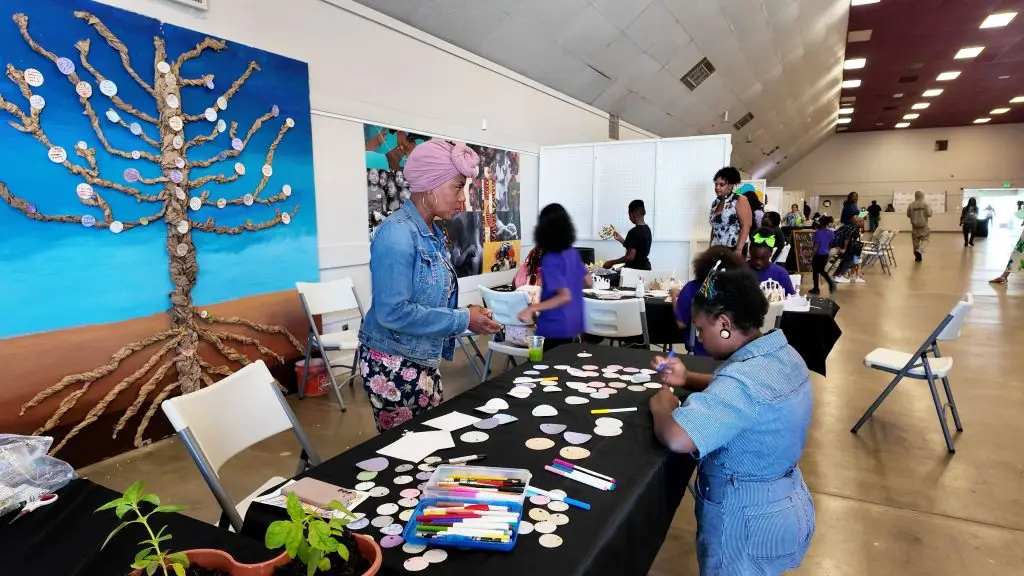
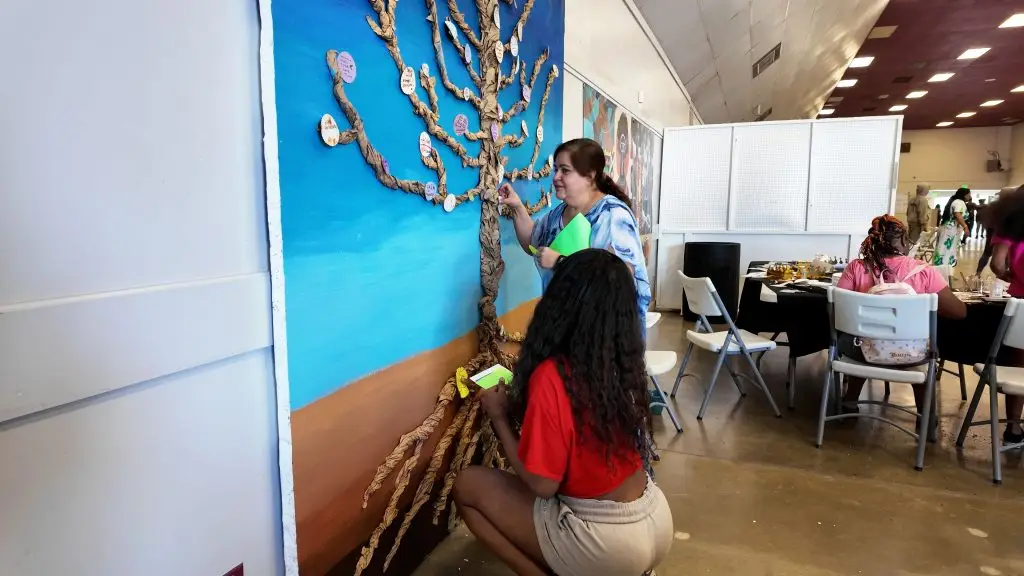
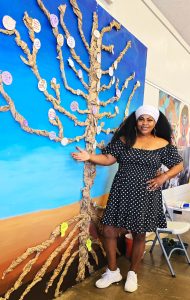
Visual artist and lead curator for Community Art and Engagement, Deidre Hawthorne, installed a 3-D mixed-media tree crafted from mashed paper. She said her work is meant to help people connect with ancestry, identity, and healing. “People come here, write their intention on a piece of paper flower and place it anywhere on the tree and we’re going to keep it and pray for it to manifest.”
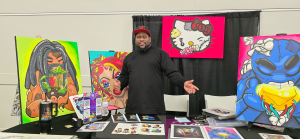
Keez, a multidisciplinary artist, described creative work as an emotional release. “However, I feel I get rid of it when I paint,” the artist said.
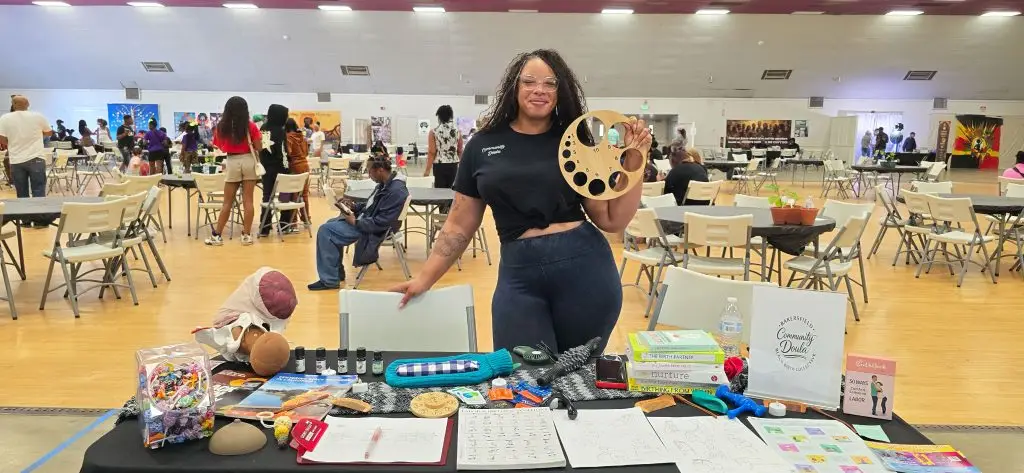
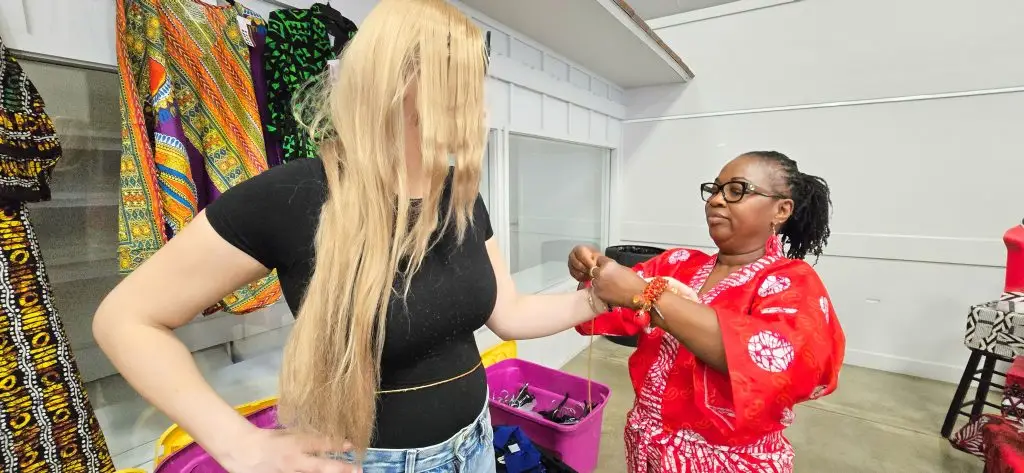
Other booths offered doula support, energy healing, disability rights resources, grow-your-own food, and Black-centered art. The event also served as a space for community bonding through music, dance, and raffles–underscoring the event’s wide definition of wellness.
“Community heals,” Osby said. “That is what they’re supposed to take away at the end of the day.”
All photos credited to Cecil Egbele.