
By Antonio Ray Harvey | California Black Media
California voters will decide this November whether to make it more difficult to approve local special taxes proposed through the citizen initiative process.
Proposition (Prop) 43 would amend the California Constitution to require two-thirds voter approval for all local special taxes, including those placed on the ballot by citizens. Special taxes generate revenue dedicated to specific purposes, such as affordable housing, public transit, libraries, parks, emergency response and infrastructure.
The measure has sparked debate over taxpayer protections, majority rule and the ability of local communities to generate revenue for public services.
A “yes” vote would establish the two-thirds requirement beginning Jan. 1, 2027. A “no” vote would preserve current law, under which citizen-proposed local special taxes generally may pass with a simple majority.
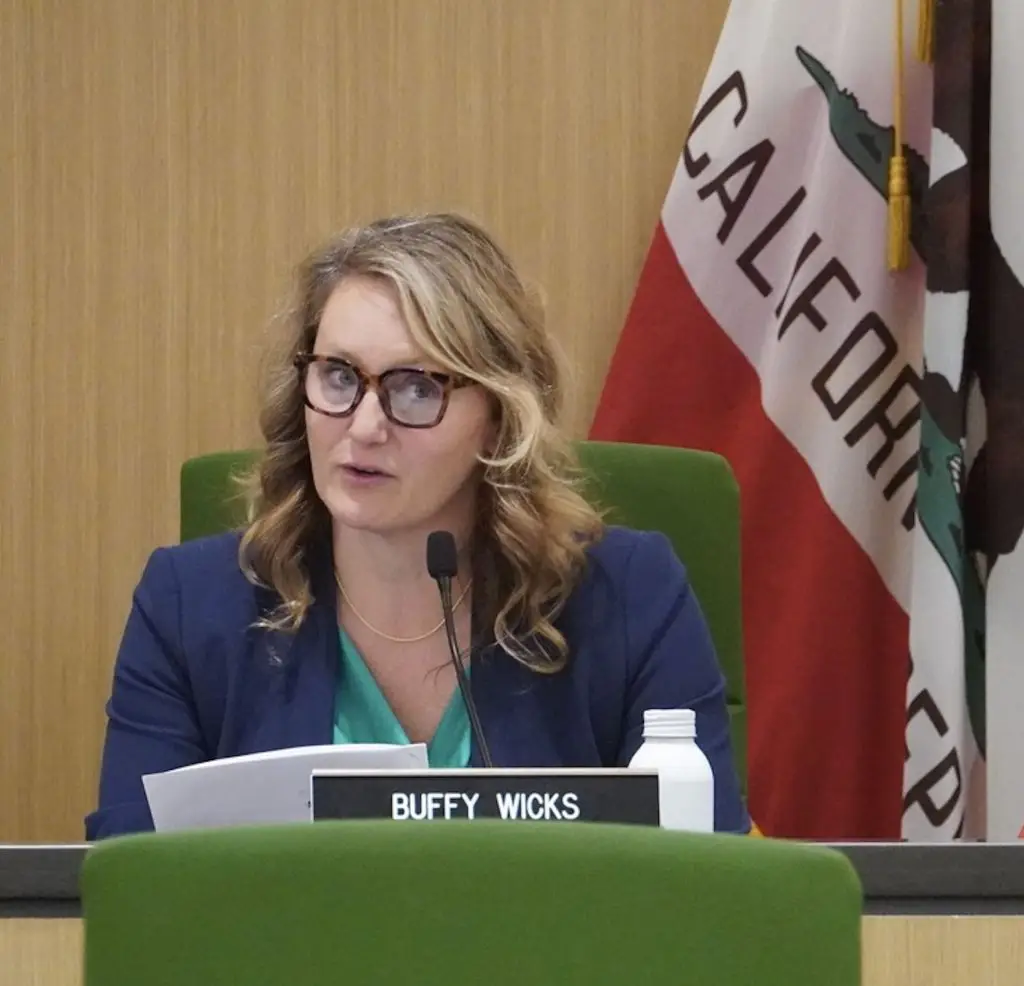
Prop 43 originated as Assembly Constitutional Amendment (ACA) 22, authored by Assemblymember Buffy Wicks (D-Oakland). The Legislature approved the measure June 25 by votes of 68-2 in the Assembly and 35-1 in the Senate, placing it on the ballot without requiring the governor’s signature.
The measure emerged from an eleventh-hour compromise reached before the ballot certification deadline between legislative leaders and the Howard Jarvis Taxpayers Association (HJTA). Under the agreement, HJTA withdrew a broader tax-limitation initiative from the November ballot in exchange for lawmakers placing ACA 22 before voters. Legislative leaders also withdrew ACA 13, a competing constitutional amendment that would have changed the approval requirements for future voter initiatives.
Under existing law, special taxes placed on the ballot by local governments already require two-thirds voter approval. However, court decisions stemming from the California Supreme Court’s 2017 ruling in California Cannabis Coalition v. City of Upland established that the same threshold does not necessarily apply to taxes proposed by citizens.
Subsequent appellate court decisions held that citizen-initiated special taxes could be approved by a simple majority. Prop 43 would eliminate that distinction by applying the two-thirds threshold to local governments and citizens exercising their initiative power.
Supporters say the measure would close a legal loophole and ensure that all special taxes face the same voter-approval standard, regardless of who places them on the ballot.
The Howard Jarvis Taxpayers Association (HJTA), Reform California and several taxpayer and business organizations support the measure. HJTA President Jon Coupal described its advancement as a victory for Proposition 13’s taxpayer protections.
“It’s a tremendous turnaround,” Coupal said. “In 2024, the California Legislature sought to make it easier to raise taxes with Proposition 5, which the Howard Jarvis Taxpayers Association defeated at the ballot. [On June 25], the Legislature voted to make it harder to raise taxes by advancing a constitutional amendment, ACA 22, to close a loophole that had allowed some special taxes to pass with less than the two-thirds vote required by Proposition 13.”
Sen. Tony Strickland (R-Huntington Beach) also praised the agreement, arguing that Californians need stronger protections against tax increases.
“I stand with the Howard Jarvis Taxpayers Association in defending Proposition 13 and the protections it provides for taxpayers and homeowners,” Strickland said. “Californians deserve the certainty of knowing these constitutional protections will remain in place.”
Opponents argue that the measure would give a minority of voters the power to block revenue proposals supported by most residents. They contend that the higher threshold could hinder future efforts to fund affordable housing, healthcare, fire protection, public transportation and other locally determined priorities.
Opponents include Wicks, despite her authorship of ACA 22, and public-service and transportation advocates, including Seamless Bay Area. Wicks said she introduced the amendment as part of a compromise to persuade HJTA to withdraw a broader tax-limitation initiative from the ballot.
“I’m the author of ACA 22. I’m also adamantly opposed to it,” Wicks posted on Bluesky on June 29. “That deserves an explanation — so I want to tell you what went down [with] the ACA, and the fight over transfer taxes and the Taxpayer Protection Act.”
The withdrawn initiative would have imposed additional restrictions, including limits on certain real estate transfer taxes and provisions affecting previously approved taxes. Legislative leaders also withdrew ACA 13, a competing constitutional amendment that would have applied heightened approval requirements to some future ballot initiatives.
Wicks said the compromise prevented the broader proposal from reaching voters but left them with a narrower measure she still considers harmful.
“I authored ACA 22 not because I wanted it to become law — but because it was the only path left to get the more dangerous initiative off the ballot before time ran out,” she said.
Wicks has said she viewed the compromise as choosing what she believed was the less harmful of two options, even though she ultimately opposes Proposition 43.
Seamless Bay Area argues that Prop 43 could impede future local efforts to fund transit, affordable housing and other public investments.
The organization points to previously approved measures supporting healthcare, fire protection and open-space preservation that received majority support but fell short of two-thirds.
The California Democratic Party announced on Aug. 2 that it voted to oppose Prop 43 at its Summer Executive Board Meeting held in San Diego.
The debate over Prop 43 centers on whether special taxes should require a broad public consensus or whether a simple majority should retain the authority to approve locally proposed investments.