By Marion Apio | Contributing Writer | California Local News Fellow
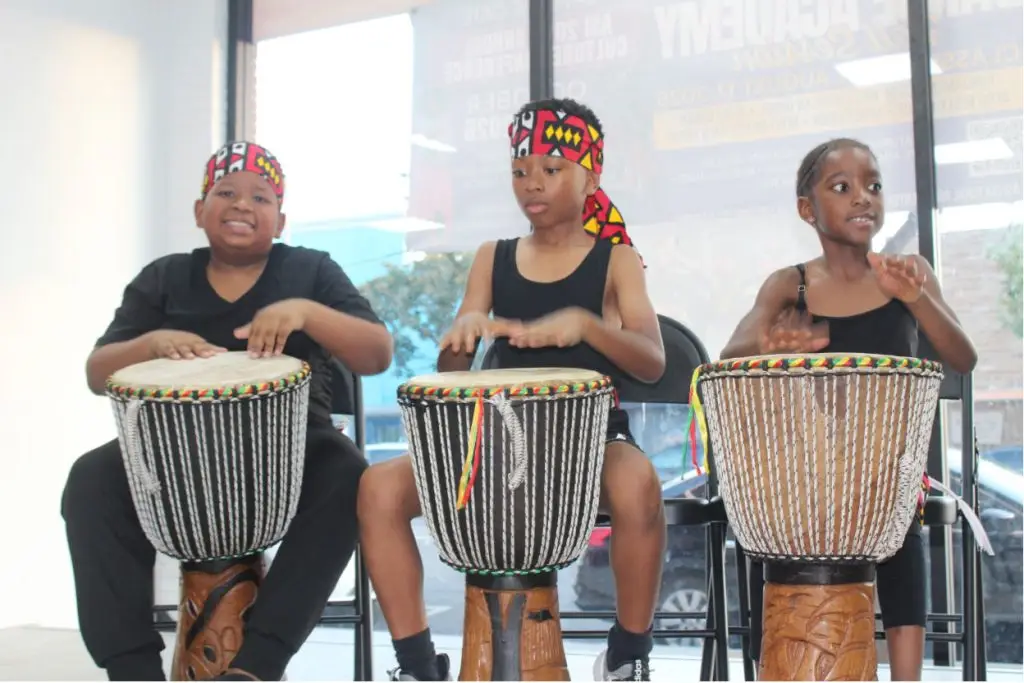
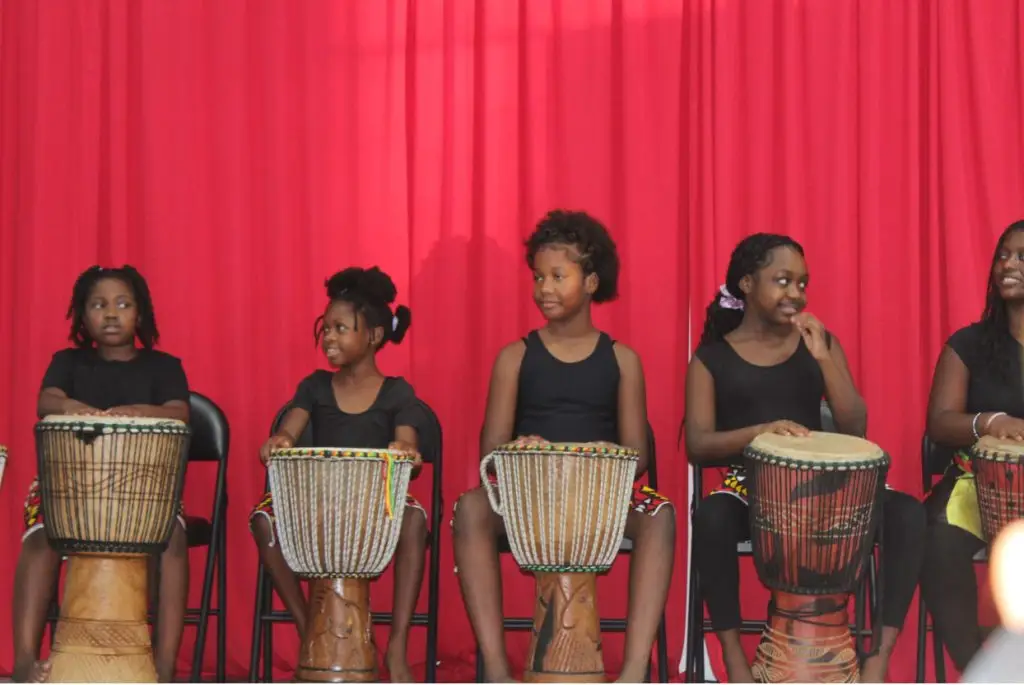
At African Soul International, a 36-foot stage sits in the heart of Black Central Los Angeles on Crenshaw Boulevard. Here, local youth spend their summer mornings beating rhythmic patterns on dundun drums, writing in daily journals, and stepping through traditional African choreography.
For seven-year-old Kaylani Moore, who was visiting her grandmother in Los Angeles from Richmond, Virginia for the summer, the experience was an anchor.
“I danced, and I enjoyed dancing,” Kaylani said. “The thing I loved doing most was spending time with my friends.”
Her grandmother, Cynthia Moore, 61, enrolled her in the program to connect her with her cultural heritage while providing summer enrichment, watching her granddaughter—who is half-Cambodian and half-African American—develop rhythm and self-confidence on stage.
“She wasn’t very rhythmic, and I’m really surprised that she learned so much,” Cynthia Moore said. “She’s become more confident in herself, and all she does now at home is dance. Our children need to know more about where they come from and be empowered with the knowledge from our ancestors as we become ancestors too.”
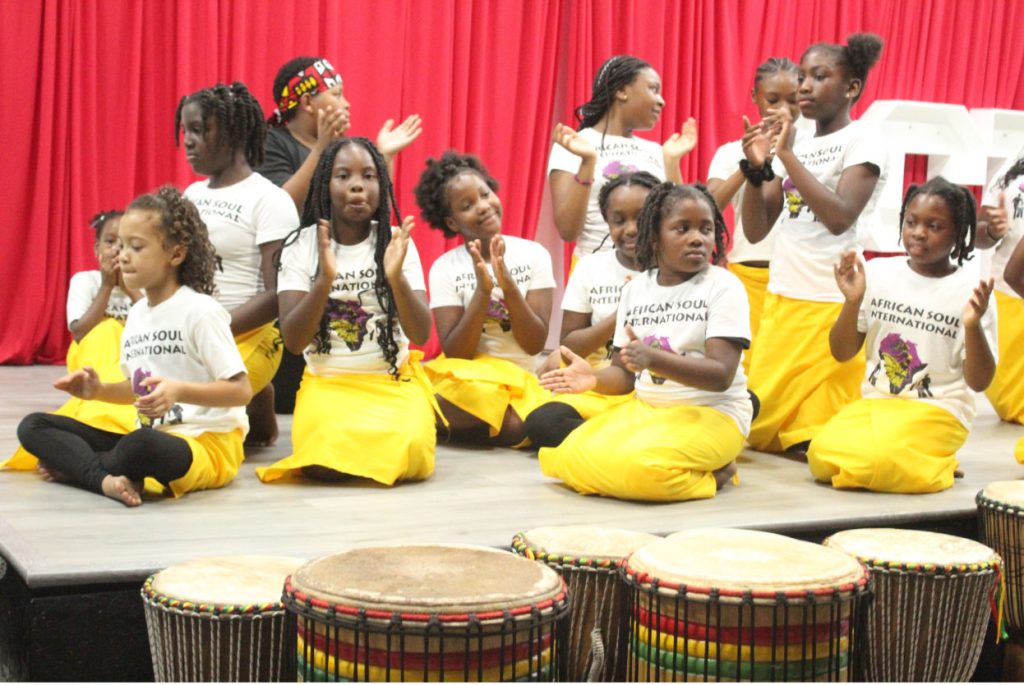
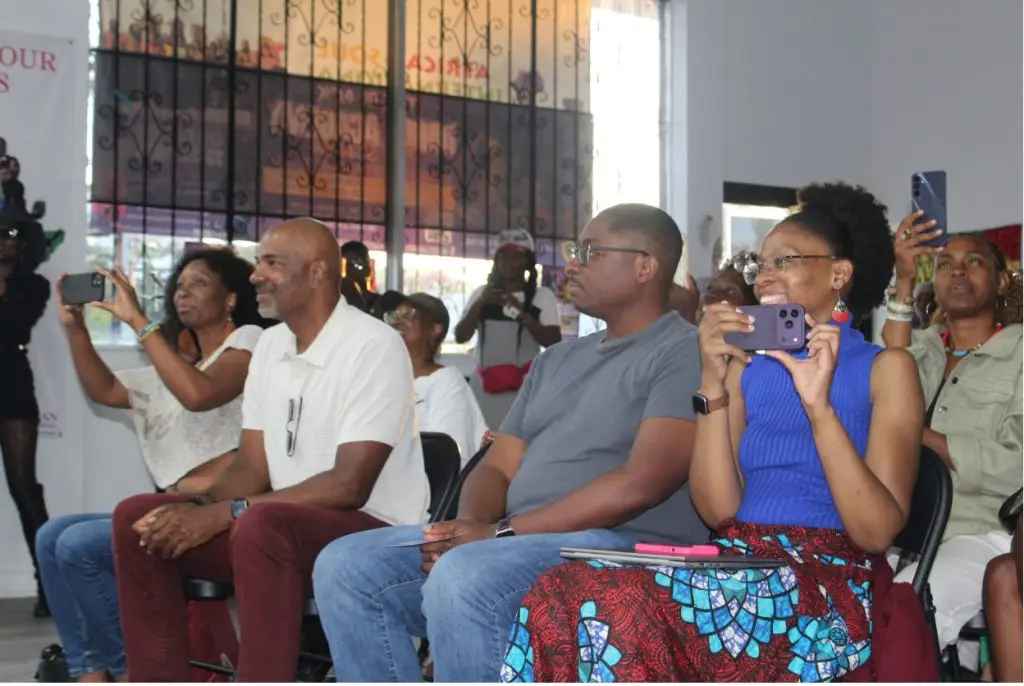
The nonprofit center, located at 4302 Crenshaw Blvd., concluded its two-month summer session with a student showcase on Aug. 7. Founding director Dr. Adama Jewel Jackson Jalo, 54, built the space to offer the local community access to global Black history, social-emotional growth, and rigorous academic instruction designed to bridge cultural learning gaps.
“We create a safe space for our culture to live, breathe, and reconnect to our community,” Jackson Jalo said. “There’s so much about African culture and history that we don’t learn in the West, and even sometimes in Africa because the systems were created by Europeans. When these babies come here, parents can trust that they are learning. Greatness is their birthright.”
The daily curriculum combined dance and music with academic instruction in mathematics, English language arts, and daily journaling. The summer session culminated in a performance of Mariama and Sajo, a traditional African story exploring community, human connection, and trust.
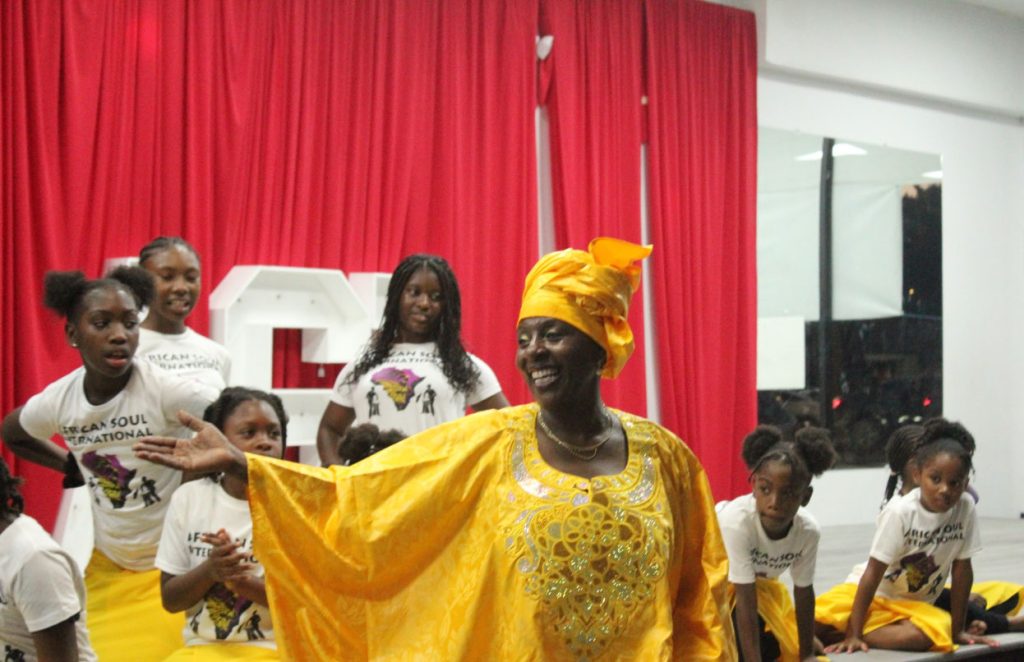
Guest artist-in-residence Barakissa Coulibaly, an art educator and West African dance teacher from Côte d’Ivoire, spent the summer training more than 20 students for the showcase by teaching movement as a form of self-reflection.
“When you look at this, it has to be like a mirror,” Coulibaly said. “We can see the kids seeing the truth through what we teach, writing their own stories, and searching for more than what we give them here. Like a flower opening with more color. They can see the new generation take an interest in our traditions and culture, and they want to learn.”
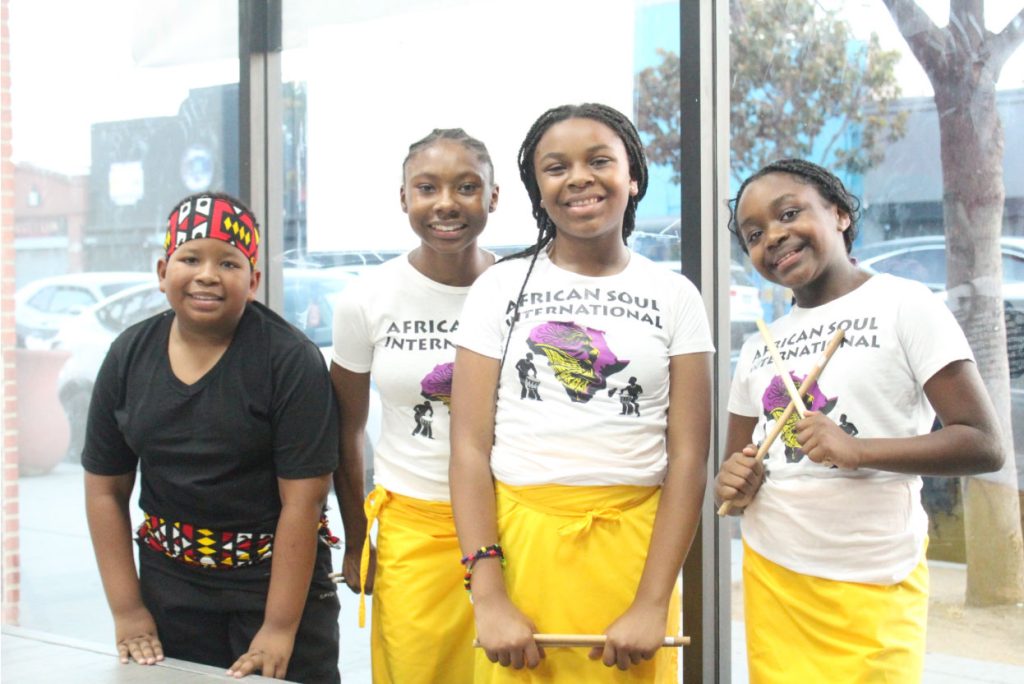
Students trained alongside master artisans, including three-time Grammy Award-winning musician Magatte Sow, who serves as the center’s musical director. Sow, who plays the djembe, sabar, and kutiro drums, has recorded on film soundtracks including Black Panther.
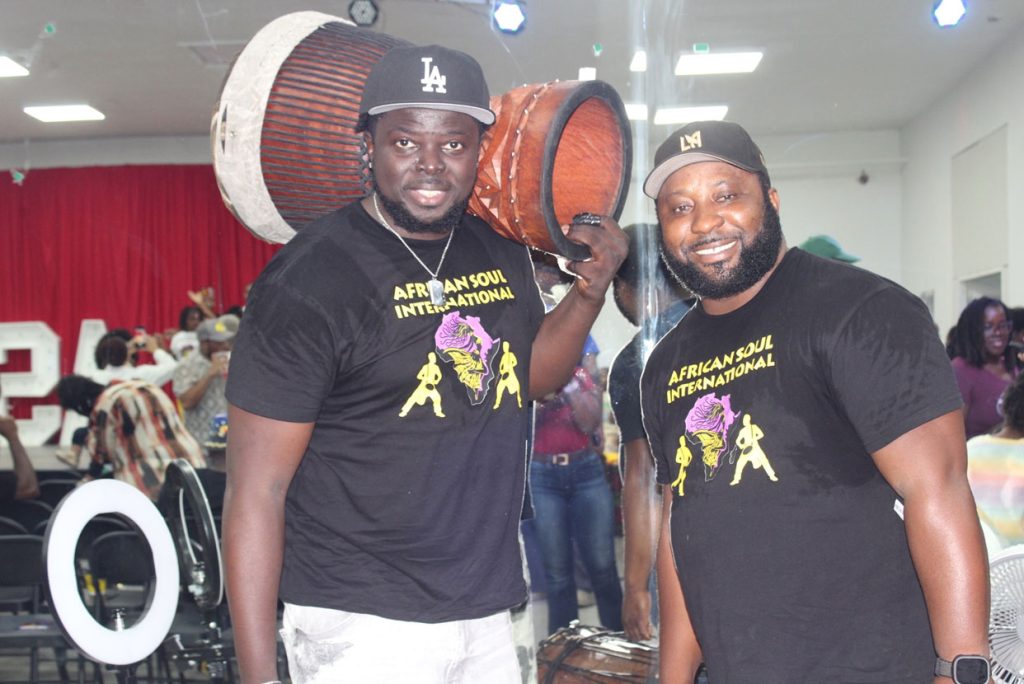
Sow focused his instruction on teaching students the historical origin, materials, and notes of each instrument before they ever played a rhythm—a technical process that instills respect for the craft.
“Before you play the instrument, you have to learn the instrument,” Sow said. “You have to treat it like a human being because you need a connection to play it. It’s important to learn from the root—you have to crawl before you walk. With drumming and dancing and learning from people that have culture in them, it opens your mind. It wakes you up like an alarm.”
African Soul International is preparing to launch its upcoming fall session on Aug. 17, running through Oct. 24 and culminating in an annual dance concert. The fall program will introduce a Rites of Passage framework for youth on Saturdays, incorporating financial and digital literacy alongside history, song, and dance.
The center will also offer daily adult and community classes, including fundamentals of West African dance, Afro-Cuban, Afro-Brazilian, and Afro-belly dance, alongside weekly networking events for local educators.
For neighborhood youth and parents, the center provides a place for young people to learn about their cultural heritage.
“I used to think stuff like this was corny, but when I actually started doing it, it was really fun,” said 13-year-old student Christine Hodge. “We grow up in a world where we try to mix in with other cultures when we’re supposed to be able to represent our own without it being called cringey.”
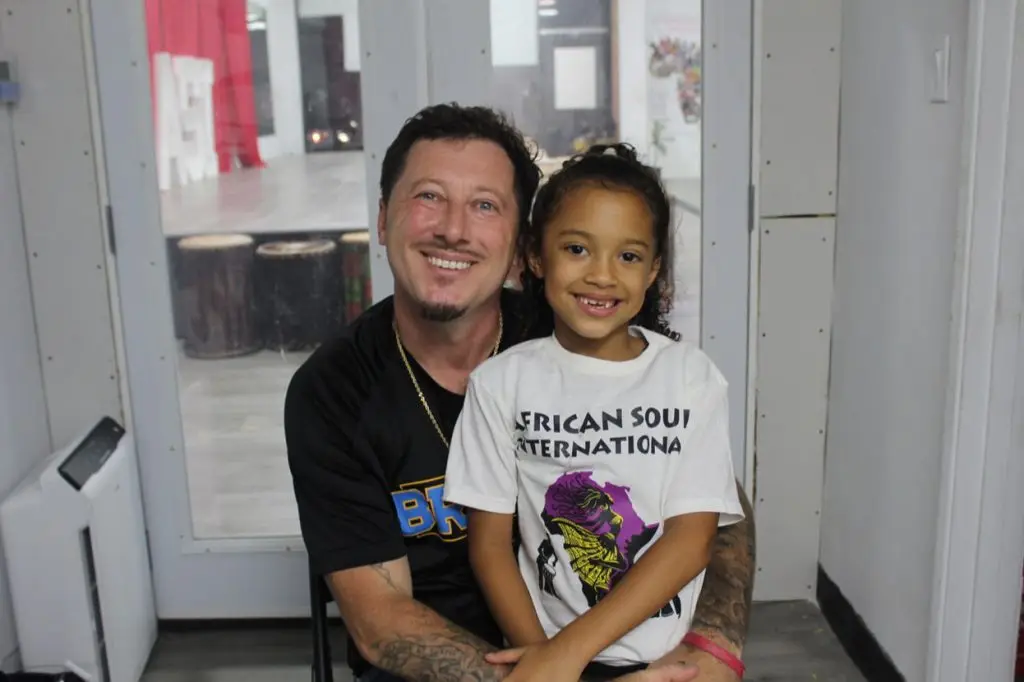
Maxwell Pickens, 41, an educator who lives nearby on Vernon Avenue, enrolled his daughter after spotting the center while driving through the neighborhood.
“She is biracial, so it’s important for her to know her heritage and her roots,” Pickens said. “Oftentimes their heritage has been silenced in America. Having that foundation allows them to grow and be fully confident in themselves.”
Seeing his daughter take the stage brought the impact of the program full circle.
“It’s amazing to see your child enjoy something, work hard at something, and accomplish it—definitely a proud dad moment,” Pickens said. “If we can continue to ground ourselves in programs like this, we can accomplish great things. This is a great starting point for this community here in Leimert Park.”