CalAIM offers housing and health care support through Medi-Cal, but fragmented health-plan rules, administrative barriers and limited awareness can make those benefits difficult for vulnerable Californians to access.
Marion Apio reported this story while participating in the USC Annenberg Center for Health Journalism’s 2026 California Health Equity Fellowship.
By Marion Apio | California Local News Fellow
California’s largest Medi-Cal transformation—California Advancing and Innovating Medi-Cal, or CalAIM—was designed to connect residents experiencing homelessness, trauma, and chronic illness directly to health care and social services. The statewide initiative allows healthcare providers to bill Medi-Cal for intensive, field-based care coordination, bringing doctors, social workers, and housing navigators directly to unsheltered residents where they live.
Yet despite CalAIM’s ambitious promise to fund care outside clinic walls, health care providers say many unhoused Angelenos still face steep barriers to accessing these services. Health plans have not always been aligned on which services to offer, creating a patchwork of coverage across the state. For patients, those differences can mean delays in approvals, changes in available services or additional paperwork before care or housing assistance can move forward.
“Under CalAIM, there has been this incredible ability to pay for certain things that are helpful to anyone experiencing homelessness,” said Margot Kushel, Professor of Medicine, UCSF Director of UCSF Benioff Homelessness and Housing Initiative. “We can pay for things like street medicine. We can pay for enhanced case management, housing tenancy support services to keep people in their housing, and things like first and last month’s rent to help people.”
“Pathways to housing are highly effective, she added, “but we need more of them. The problem is not so much that it doesn’t work for the people it’s serving; it’s that it’s under-resourced for the people it’s serving, and most people don’t get it.”
Across Los Angeles County, community organizations and street medicine teams report spending significant hours navigating complex enrollment portals and billing hurdles that delay care for residents in critical need.
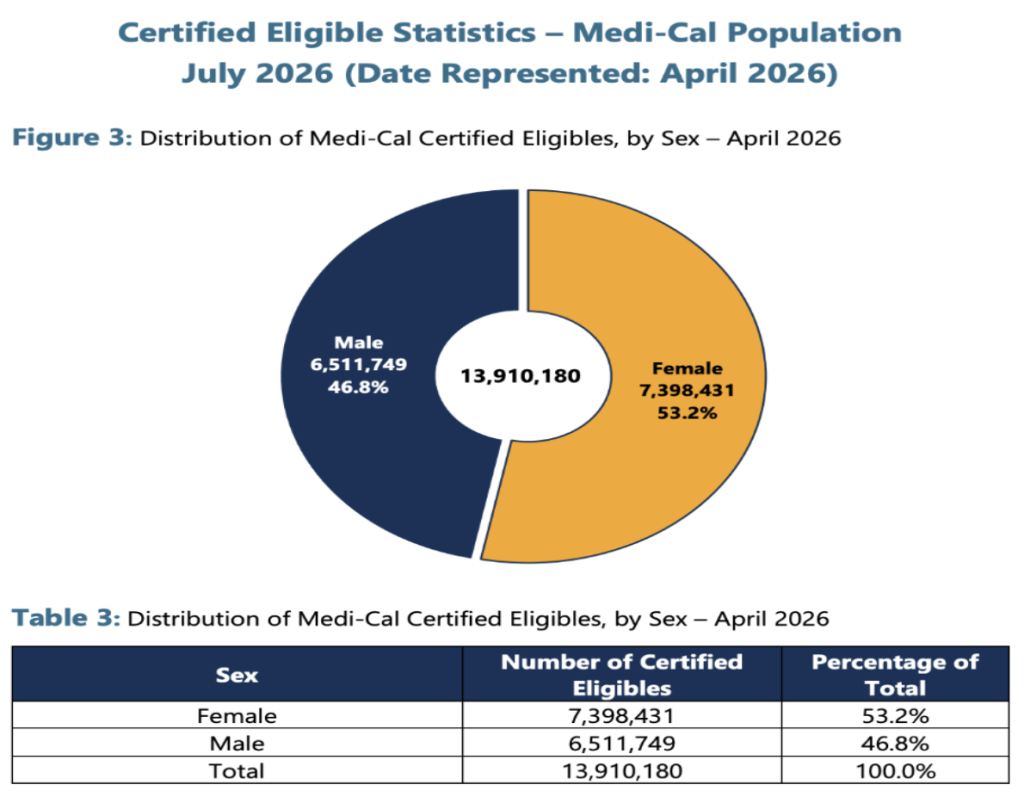
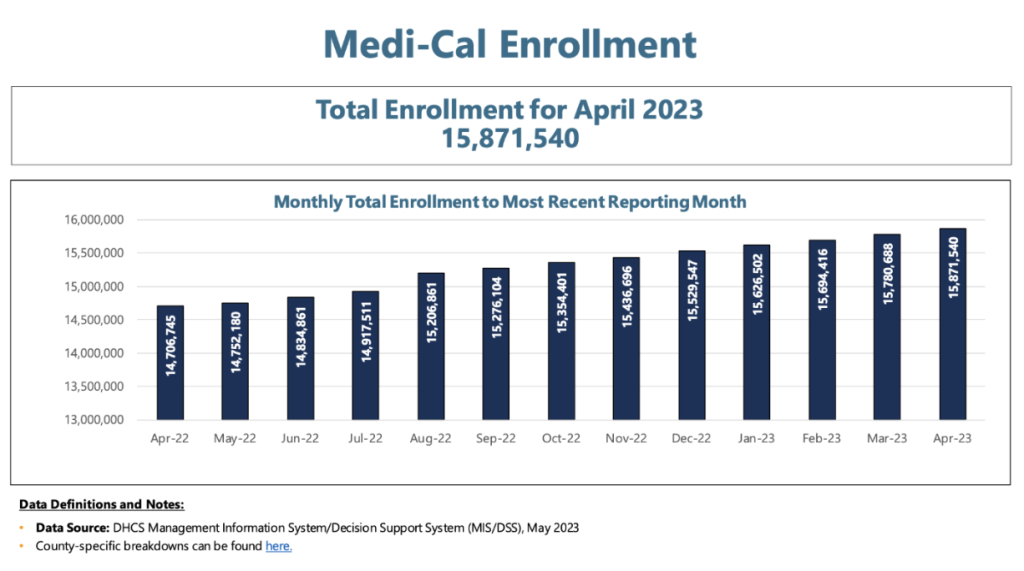
More than four years after California launched CalAIM to use Medi-Cal funding for nonmedical needs such as housing, food and case management, overall Medi-Cal enrollment has declined from about 15 million in 2023 to 13,910,180 in April 2026, according to the California Department of Health Care Services. CalAIM is not a separate insurance program and does not have its own enrollment or withdrawal process; people enroll in Medi-Cal and may qualify for CalAIM services based on their needs.
For 53-year-old Alfred Flores, connecting with a CalAIM-funded street medicine team along the Los Angeles River proved transformative.
Flores was only 17 when he first entered California’s prison system as an adult.
Raised around family members involved in gang life and without financial resources for a private legal defense, the young Flores cycled through juvenile halls and state prisons, including the California Institution for Men in Chino and a correctional facility in Delano.
“I was tried as an adult and we didn’t have any lawyers or nothing,” Flores said. “So, yeah, I was misjudged, you know. But it is what it is.”
Decades after his release, the consequences of incarceration lingered. Diagnosed with severe post-traumatic stress disorder, Flores struggled to navigate crowded public spaces and complex social service systems. Unhoused and contending with uncontrolled diabetes, his health rapidly deteriorated.
Flores’ path changed when he met Artie Vasquez, a community health worker and case manager with St. John’s Community Health. Vasquez helped Flores navigate and access medical care through case management services provided under CalAIM’s Enhanced Care Management benefit — and, just as importantly, helped him secure an apartment in Inglewood using Medi-Cal dollars.
Enhanced Care Management (ECM) — a Medi-Cal benefit that provides intensive, individualized care coordination for members with complex needs — pairs members with a care manager who coordinates physical, behavioral and social services, while Community Supports address needs such as housing instability, nutrition and chronic-condition management.
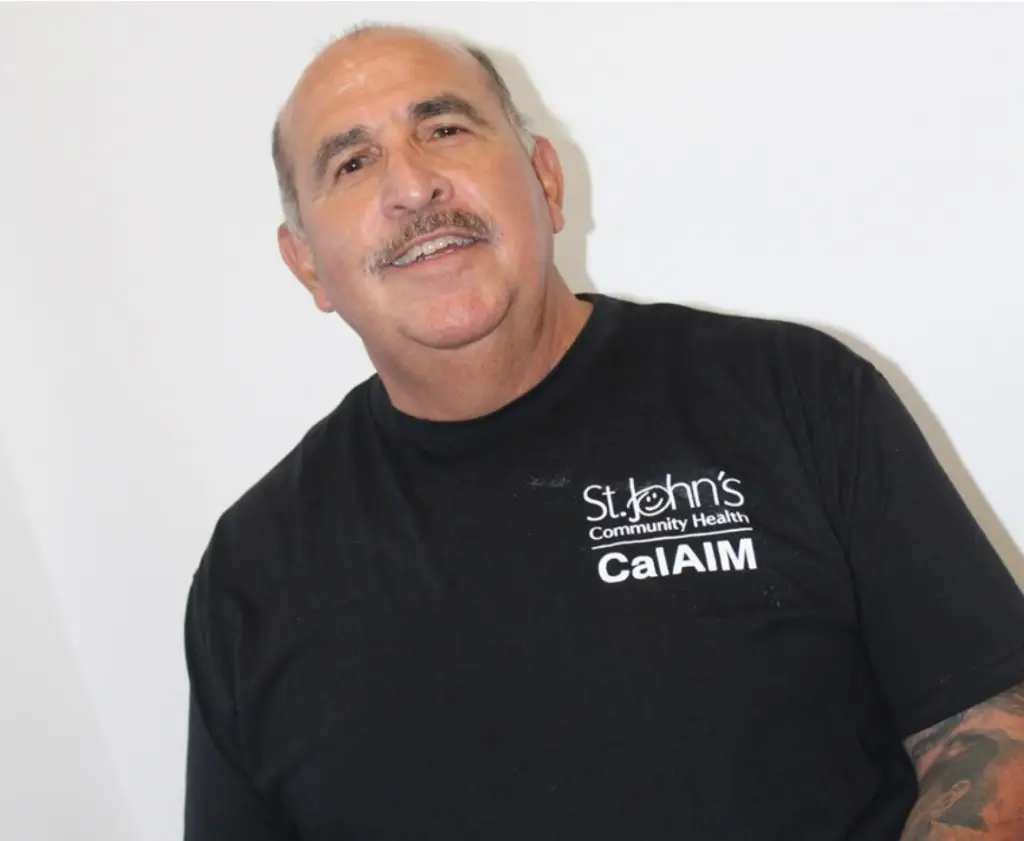
“I can go in and out of my house. I can shower whenever I want. Use the restroom whenever I want. It’s my house, you know,” Flores said.
Artie Vasquez, who overcame similar life challenges before becoming a case manager, said the program provides the scaffolding needed for individuals leaving incarceration to successfully transition back into society.
Medi-Cal covers close to 14 million residents statewide. In Los Angeles County, where over 70,000 people experience homelessness on any given night, connecting high-need populations to social safety nets remains an operational challenge.
CalAIM addresses these challenges through Community Supports, or non-medical interventions, such as move-in security deposits, housing navigation, and modifications to make housing accessible.
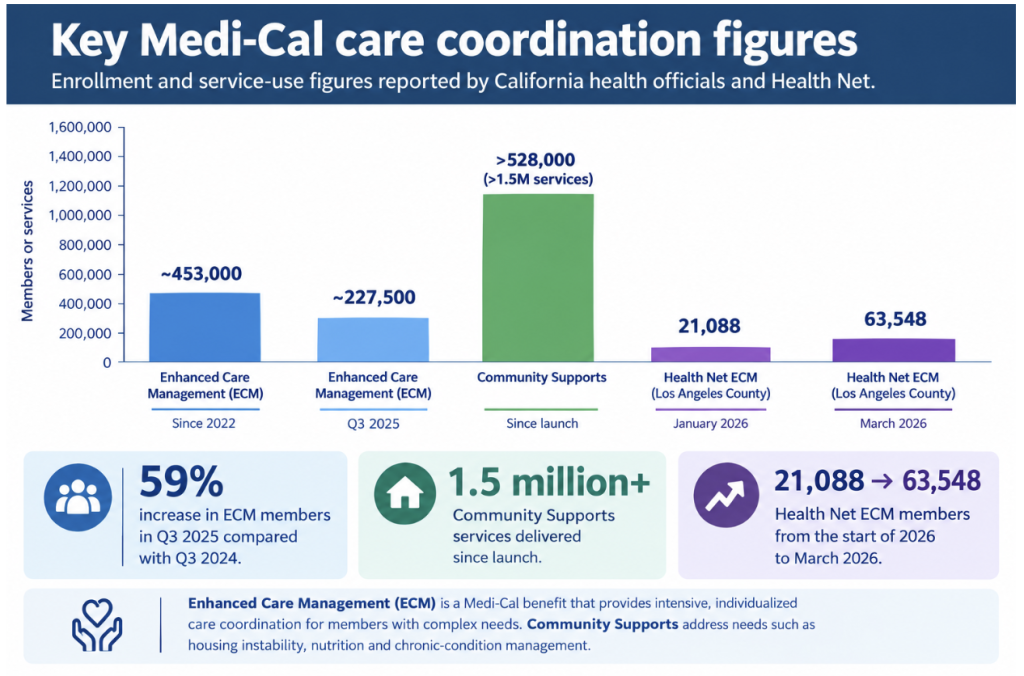
For frontline clinics, the growth in such services represents a massive shift in how care is delivered.
Christina Guevara, an Enhanced Care Management program manager at St. John’s Community Health has watched this safety-net infrastructure expand over six years.
In just the past three years, St. John’s CalAIM caseload has surged from under 1,000 patients to nearly 1,600, serving a community that is roughly 55% Latinos and White as well as 26% Black, according to Monica Cotom, director of CalAIM at St. John’s Community Health.
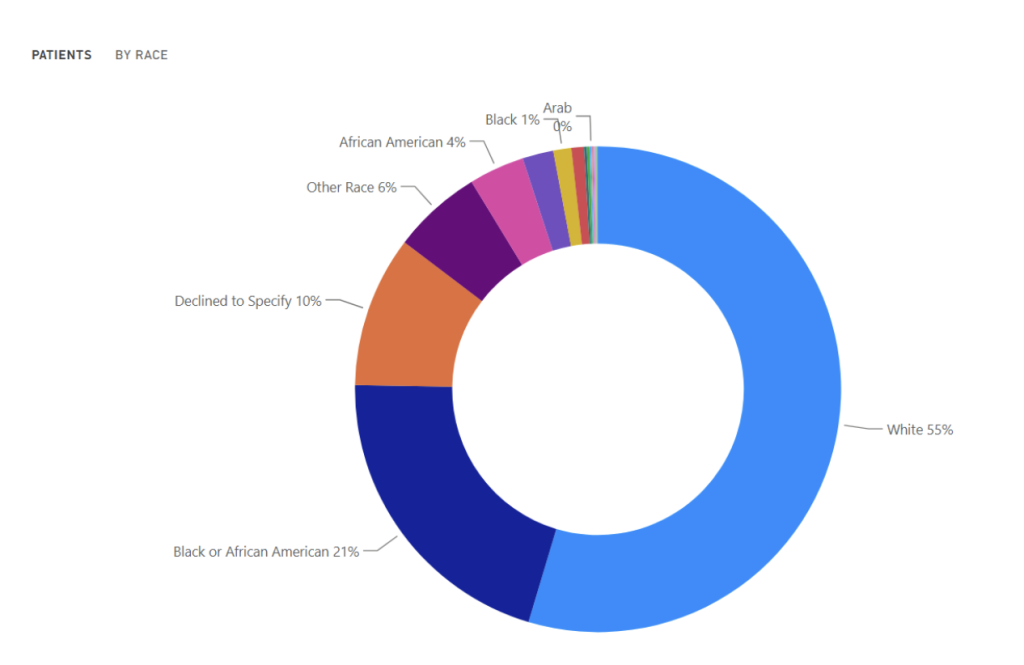
Guevara noted that language barriers, low health literacy, and a lack of support systems frequently cause low-income patients to drop out of care. She said that is especially true for older patients who may struggle to navigate complex medical instructions or question a doctor’s diagnosis.
In one instance, St. John’s case managers worked with an unhoused domestic violence survivor living in a shelter who avoided medical visits out of fear of being located by an abuser. Through biweekly phone calls, virtual support groups, and accompanied clinic visits, case managers helped the survivor secure permanent housing and reduce his hemoglobin A1C level from a dangerous 14% down to 7% over an 18-month period.
Yet, administrative breakdowns regularly interrupt patient care.
“The health plans have never been quite aligned for this program across the board, and so that’s been the barrier,” said Cotom. “We have to fluctuate with whatever the health plans need, and so that makes it hard.”
Because each Medi-Cal managed care plan operates with its own documentation requirements, billing systems, and approval rules, caseworkers must constantly adapt to conflicting administrative processes. For unhoused patients, these hurdles translate directly into real-world delays. For unhoused clients, bureaucratic errors can pause housing placements for months.
In Inglewood, city officials acknowledge that awareness remains a barrier.
Roberto Chavez, HUD programs manager for the City of Inglewood, called CalAIM an “untapped resource,” and noted that municipal governments currently lack public education campaigns to connect eligible residents with the state program.
“Not too many people are aware of that,” Chavez said. “Again, that requires some education of the residents and people experiencing homelessness, as well as any staff that’s in charge of identifying resources.”
When asked what the city is doing to publicize CalAIM to unhoused residents, Chavez said the city relies on partner non-profits rather than municipal outreach.
“Nothing at the current moment,” Chavez said. “But we direct folks to the St. Margaret’s Center, and they make folks aware of the CalAIM program, as well as the South Bay Cities Council of Governments.”
Addressing why local agencies struggle to roll out CalAIM seamlessly, Kushel called it a nearly impossible task.
“When you’re frantically trying to plug up holes from 50 years of failed policies at every level of government in a wildly unequal country where there’s rampant income inequality … it’s also really an impossible task,” Kushel said, adding that local authorities are “trying to put fingers into sort of a leaking bucket, and it’s very hard to do that.”
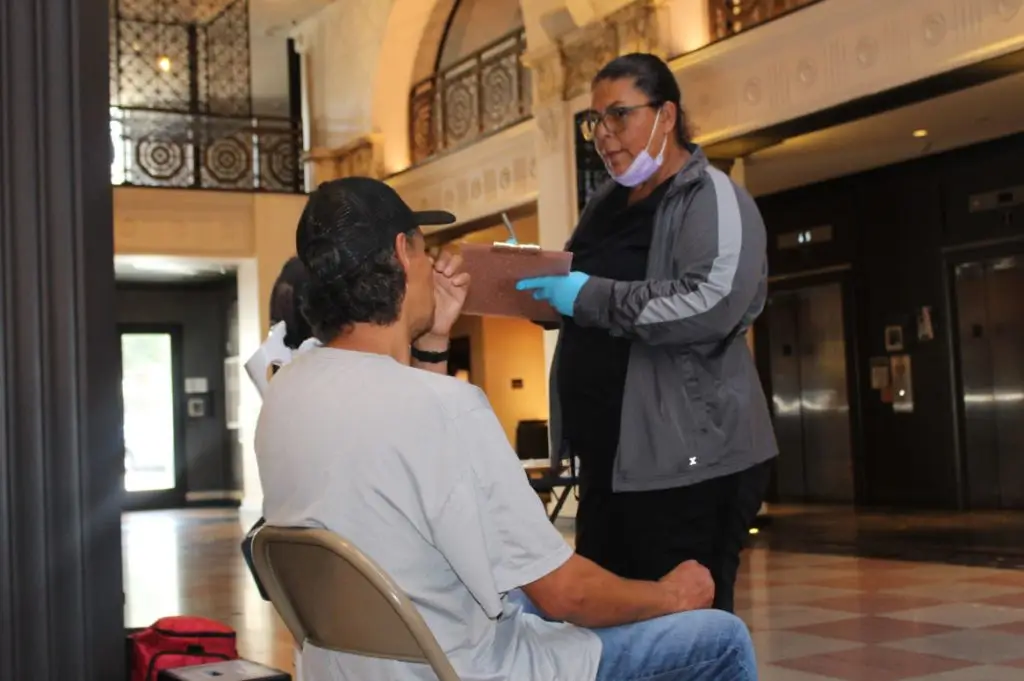
Ashley Watson was offered CalAIM services in June 2025 while living in her car in Los Angeles. Working with Stephanie Ortiz, a case manager, Watson secured several jobs to raise her monthly rental budget from $1,200 to $2,000. When bad credit led to apartment rental rejections, Ortiz assisted in securing a guarantor.
However, during the application process, an administrative error caused Watson’s Medi-Cal coverage to terminate unexpectedly. It took nearly a month of staff effort to restore her coverage before security deposit and move-in funding could be released. Watson moved into her apartment in November 2025 and officially graduated from the program in June 2026.
Mary Vargas, Community Supports program manager at St. John’s, said administrative gaps leave the most vulnerable clients behind.
“A lot of people don’t understand why and feel powerless in their own care,” Vargas said. “If you’re powerless, have a chronic condition, and are alone with no support, your health significantly declines.”
Guevara reported that rising fears around immigration status and potential scams have led members to decline home visits or ignore phone calls from case managers. To support clients facing these anxieties, St. John’s transitioned many in-person check-ins to virtual appointments.
DHCS acknowledged that some immigrant families are experiencing fear about data-sharing with federal agencies that might use the information in enforcement actions. The department said it does not track whether people decline CalAIM services because of those concerns, but encouraged eligible Medi-Cal members to maintain their coverage and continue seeking care.
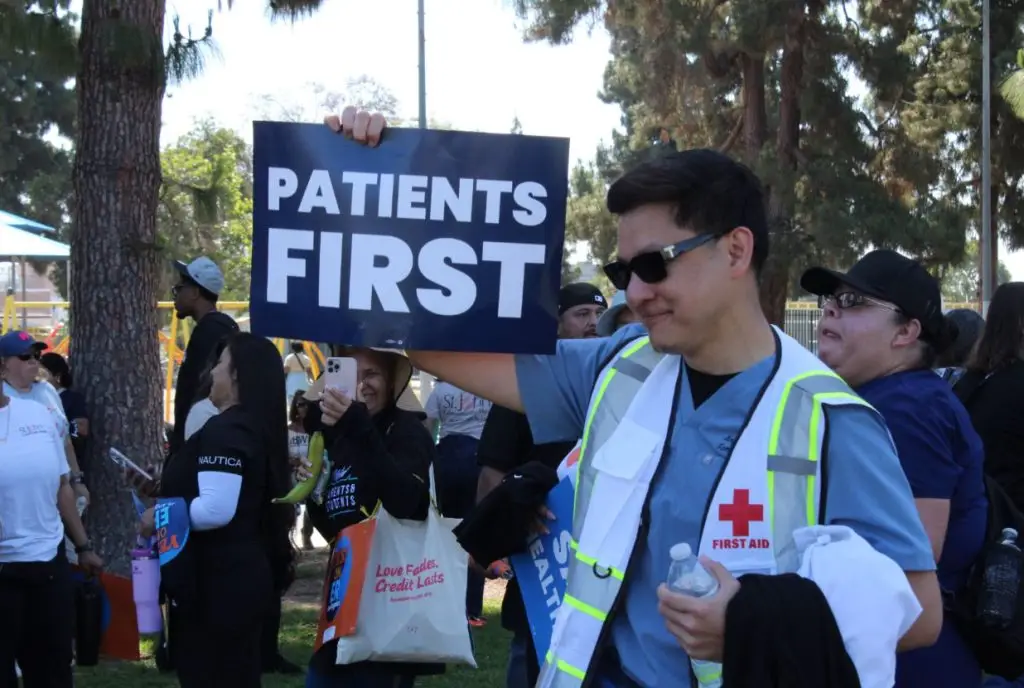
Vasquez noted that individuals released from state prisons face delays of 30 to 90 days before their active Medi-Cal status is reinstated.
Those delays force clinics to rely on sliding-scale fees based on income –which many newly released participants do not have –while unhoused individuals without physical addresses often rely on family members’ addresses to keep their mail delivered and avoid losing coverage.
But for those who get past the hurdles and receive services, the results can be life changing.
Flores is now enrolled in online business and culinary arts classes through Coastline College, working toward his long-term goal of financial independence.
“Before, I didn’t know how to go about things, but now with my medication, my doctors, and my case manager who always calls to see if I’m doing okay, it has helped me a lot—and I can trust the system,” Flores said.