
Across the U.S., Black Americans make up nearly 14 percent of the population but only about 8 percent of the people enrolled in clinical trials, according to figures attributed to the National Academies of Sciences, Engineering, and Medicine and reported by Word In Black.
The gap matters because new medicines are tested on the people who join the trials. Diseases and drugs can act differently depending on age, sex, weight, race, and ethnicity — so when a group is left out of research, doctors know less about how a treatment works for that group.
And the most comprehensive national study of the problem found the reason for the gap is not that Black patients say no. The National Academies’ 2022 report, “Improving Representation in Clinical Trials and Research,” concluded there has been little progress in three decades and that willingness is not the main obstacle: Black, Latino, Asian, American Indian, and Alaska Native people are no less likely — and in some cases more likely — to participate in research when they are asked. One study cited in the report found that among Black and Latino residents surveyed, 75 percent were willing to participate in research, but more than 90 percent had never been asked.
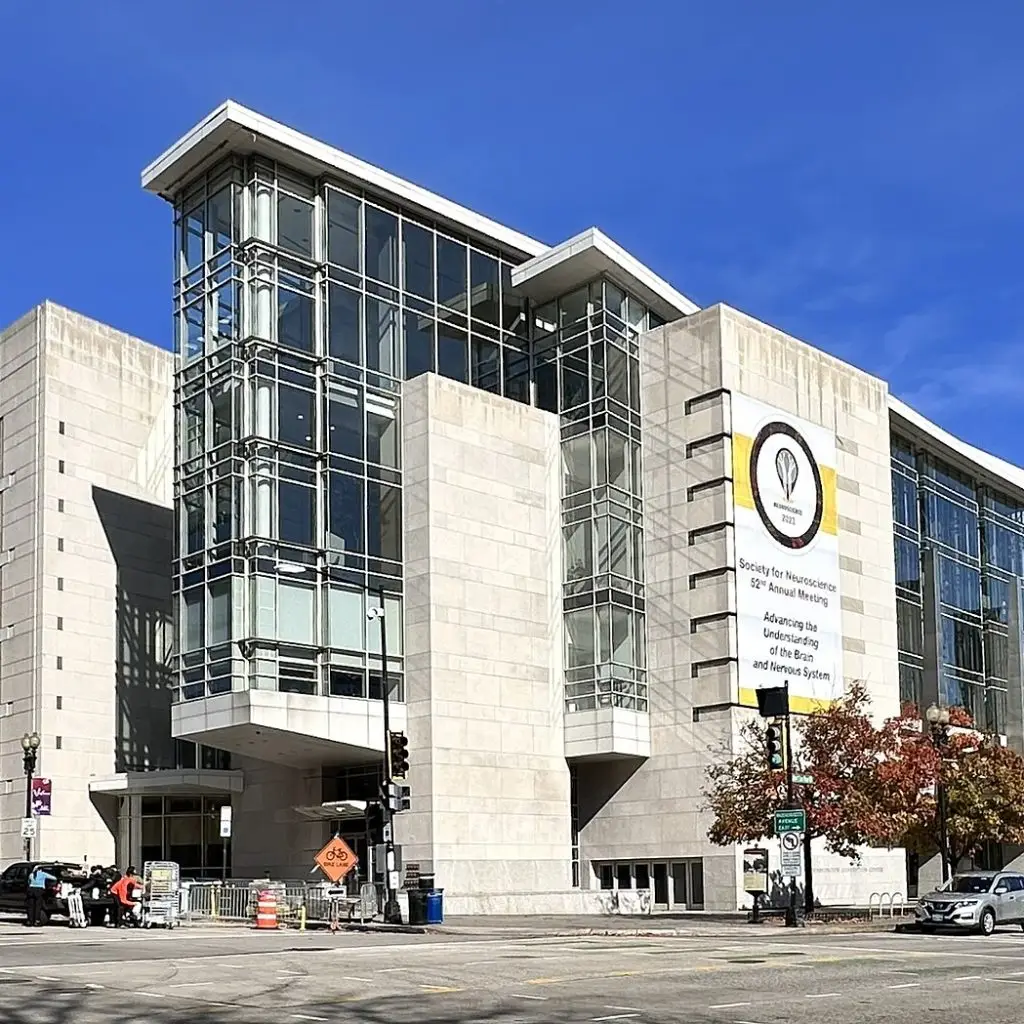
The issue was the subject of a panel, “Let’s Talk Trials: Why Representation in Clinical Research Matters,” held Friday, Sept. 18, at the Congressional Black Caucus Foundation’s 55th Annual Legislative Conference at the Walter E. Washington Convention Center in Washington. The panel shares its name with a clinical-trial awareness initiative run by the drugmaker Merck, and a similar CBCF panel on trial diversity was held in 2024.
Dr. Adrelia Allen, a pharmacist and physician who serves as Merck’s executive director of representation in clinical trials, told the panel she came to the work through her own experience: “I had my own trials that I was managing and recognized that the patients that I was enrolling in my trials didn’t look like me”. Allen said her own father delayed care for a possible prostate cancer diagnosis over a needed MRI: “He didn’t want to be treated as a guinea pig. And it was triggering for him”. Her family, she said, “would not have considered joining a clinical trial at the time because of past atrocities”. Word In Black also reported that about one in four trial participants come from communities of color, which make up more than 40 percent of the U.S. population.
For patients who want to be counted, there is a practical path: ask to be asked. Patients can ask their doctor whether a trial exists for their condition, and can search themselves at ClinicalTrials.gov, the free federal registry, which is searchable by condition and location. The National Institutes of Health’s “Clinical Research Trials and You” page explains what participation involves. Participation is always voluntary, and participants can ask questions and leave a study at any time.
Drafted by News Observed Editorial AI, human reviewed and published.