By Cecil Egbele | Contributing Writer | California Local News Fellow
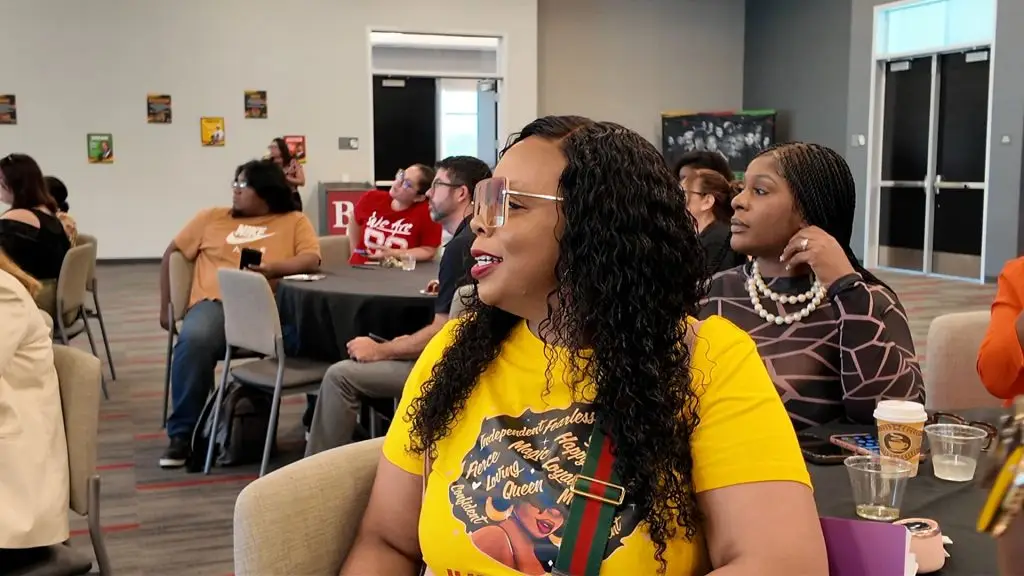
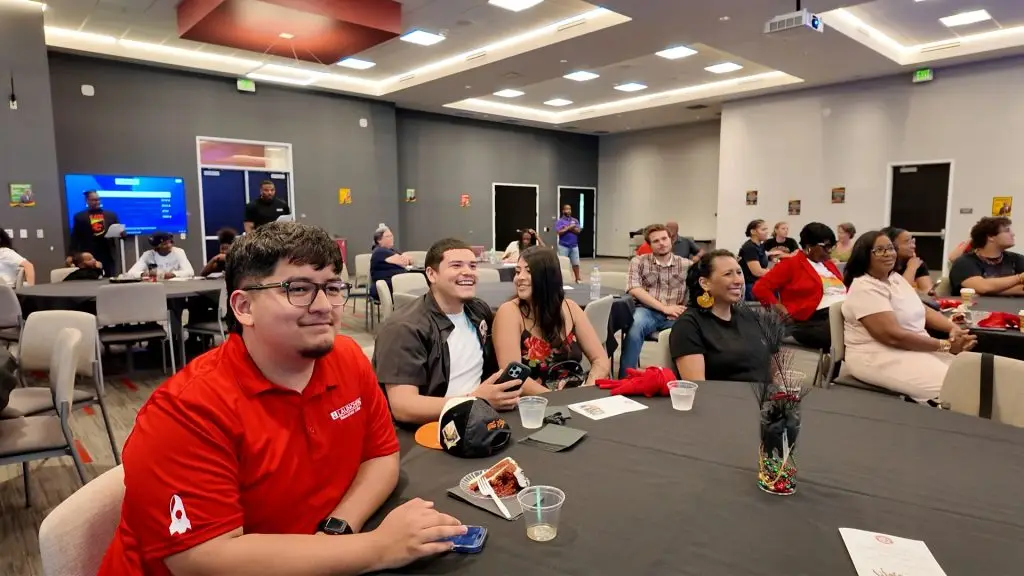
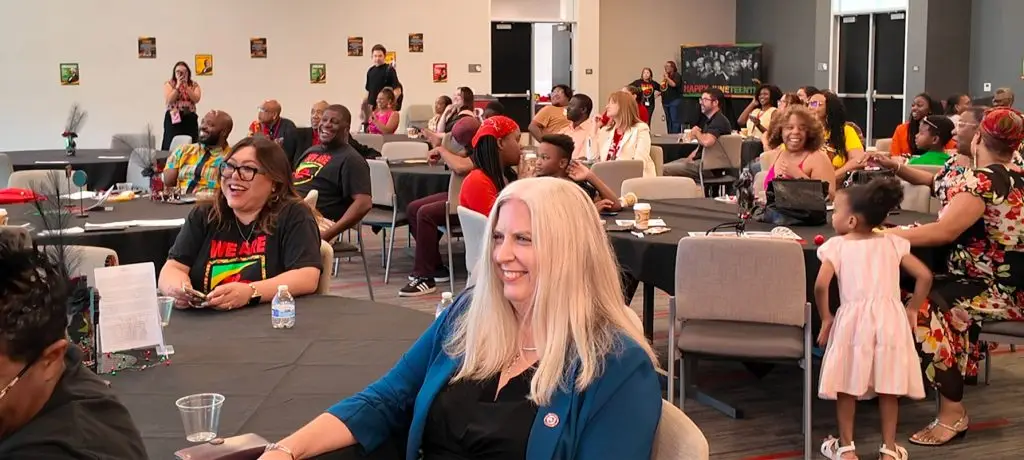
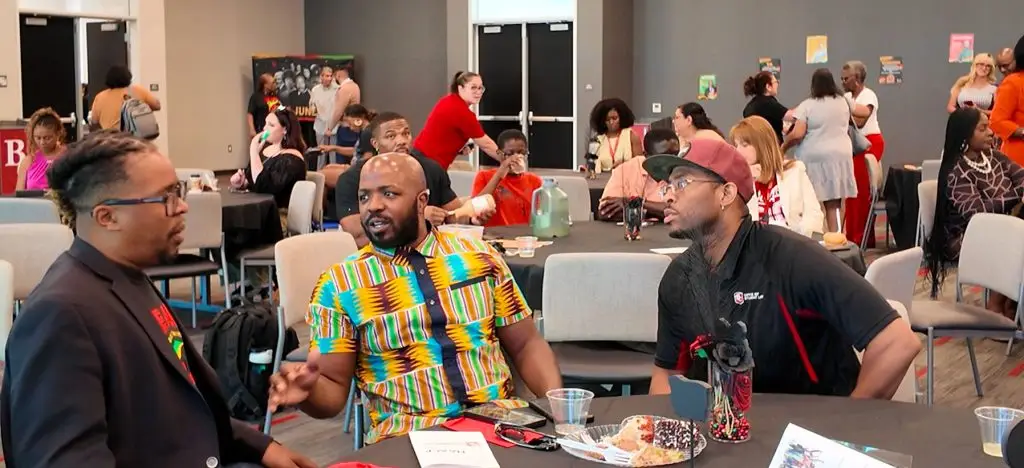
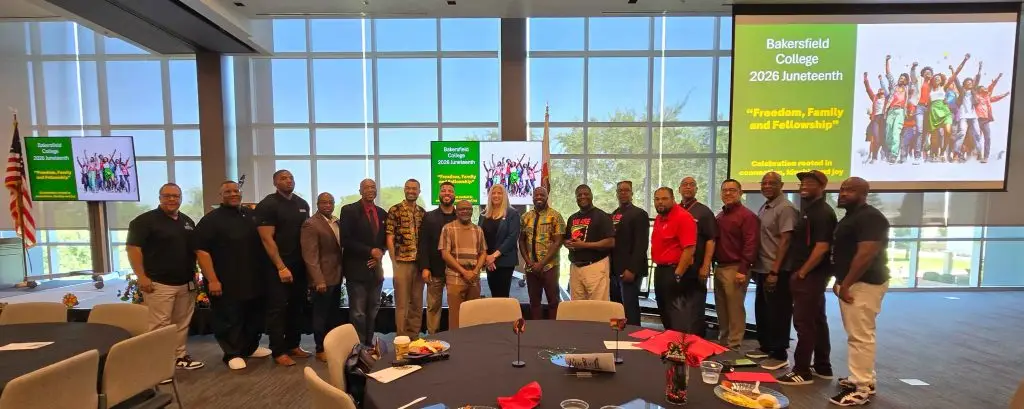
Hundreds gathered at Bakersfield College on June 17 to commemorate Juneteenth, the holiday marking the end of slavery in the United States. Hosted by the Bakersfield College African American Initiatives, alongside the Kern County Black Chamber of Commerce and the NAACP, the free public event brought together a diverse cross-section of Kern County over a shared breakfast to honor a pivotal chapter in American history. Themed “Freedom, Family and Fellowship – Rooted in Connection, Kinship and Joy,” the event featured speeches, performances, and reflections on the significance of June 19, 1865.
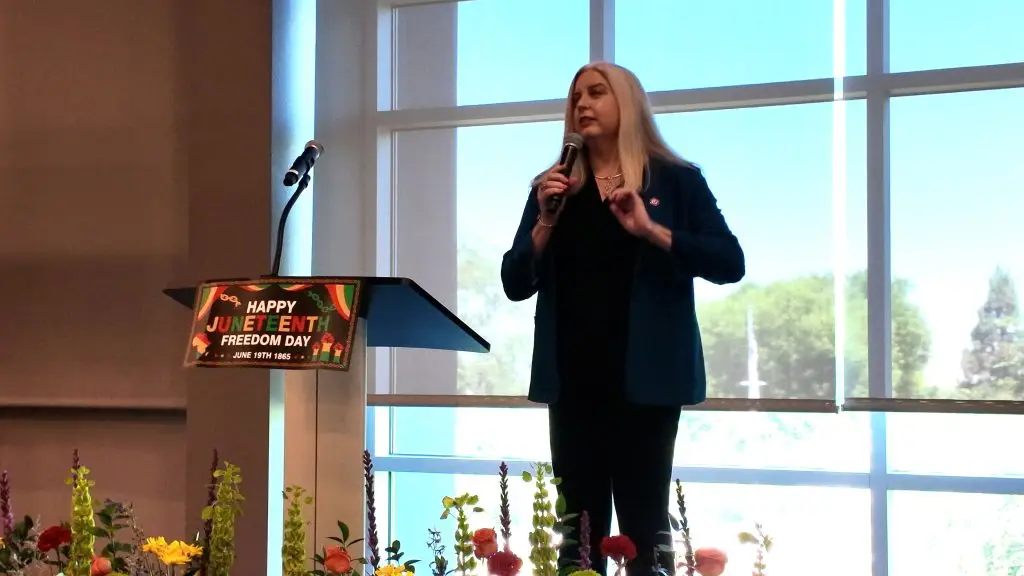
“Juneteenth is an important time to stop and reflect on how far we as a country have come, while recognizing the work still to be done,” said Bakersfield College President Dr. Stacy Pfluger in her opening remarks. She emphasized that the pursuit of unity and true justice remains a continuous, collective journey. “It’s never the wrong time to do what is right. Let’s continue to strive together for unity and what is just.”
Providing historical context, Keith Wolaridge, Associate Professor of Business Economics at Bakersfield College, traced the origins of Juneteenth. He reminded attendees that while President Abraham Lincoln issued the Emancipation Proclamation in 1863, many enslaved African Americans in Texas did not learn they were free until June 19, 1865, when Union troops arrived in Galveston, enforced the Emancipation Proclamation and freed the last 250,000 enslaved African Americans.
Wolaridge said Juneteenth represents more than a historical milestone. It is a reminder that freedom often comes through perseverance and collective action. He described the holiday as a celebration of resilience and community-building rather than a commemoration of slavery.
“Juneteenth is not a celebration of slavery. It is a celebration of resilience over slavery,” he told attendees. “It reminds us that progress often comes through perseverance, courage and the determination of people who refuse to surrender their culture.”
He also urged the audience to view Black history as an essential part of the American story.
“Black history is American history,” Wolaridge said, noting that African Americans have contributed to every sector of the nation, from agriculture and industry to science, government, education, and the arts.
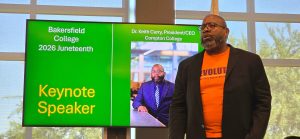
The keynote address by Keith Curry, President and CEO, Compton College, focused on what he called “freedom dreams”– bold ideas aimed at improving opportunities for Black students and communities. Curry highlighted California’s recent designation of Black-Serving Institutions, a recognition awarded to colleges demonstrating strong support for Black student success. Bakersfield College, he said, is among the institutions that have earned the designation.
Curry encouraged attendees not to measure their success solely through comparisons with other institutions.
“A lot of times we’re not good enough for some people,” Curry said. “Be proud of your accomplishments, but continue striving to be better.”
Throughout his speech, Curry returned to the event’s themes of freedom, family, and fellowship. He challenged educators and community leaders to move beyond disagreements and focus on serving students.
He introduced a framework he calls “REAL LOVE,” which emphasizes responsiveness, accountability, learning, community alignment, and the removal of barriers to student success. He argued that institutions must be willing to confront policies and systems that fail students and instead focus on measurable outcomes. “We have to be responsive. If systems, policies and structures are failing Black students, that’s on us.”
He challenged the notion that confronting difficult history weakens a nation, arguing instead that it takes courage and maturity. “Some may ask, why is Juneteenth important? The answer is simple: because history matters. A nation that understands its history gains wisdom, perspective, and strength.”
Students engaged attendees in a Kahoot game featuring Juneteenth trivia.
Attendees expressed what Juneteenth meant to them personally. “For me, it means freedom for all,” said Monique Johnson, a Bakersfield community member. “I plan to share the history and knowledge I learned with others.”
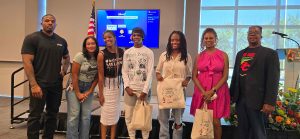
Another resident, Jakell Davis, shared his takeaway from the day’s event. “As Black people, I think it is imperative that we really understand what our ancestors had to go through to get us where we are today. It was really nice and a very humbling experience for me.”
At the close of the event, organizers reminded attendees that Juneteenth is not merely a retrospective look at a delayed promise of the past, but an active, daily commitment to strengthening local kinship, advancing educational equity, and choosing to remember our shared history completely.