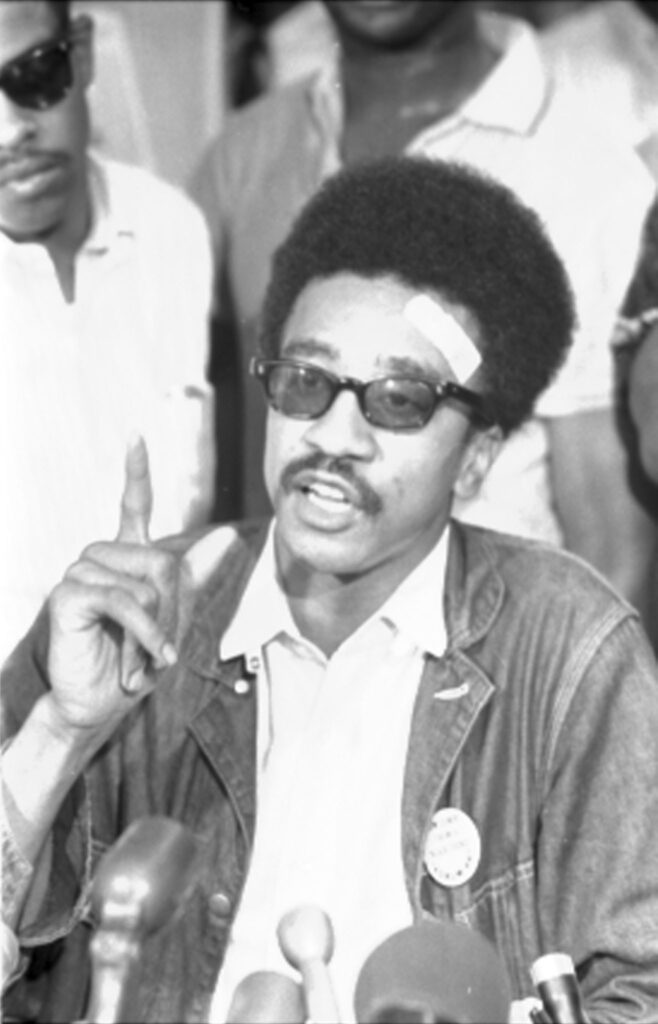
Dr. Benjamin Chavis Celebrated as ‘Father of the Environmental Justice movement’
facebooktwitterinstagram “Don’t cop out, cop in,” Chavis calls for activists to use their power at the upcoming United Nations COP30 conference. Dr. Ben Chavis, center,

facebooktwitterinstagram “Don’t cop out, cop in,” Chavis calls for activists to use their power at the upcoming United Nations COP30 conference. Dr. Ben Chavis, center,

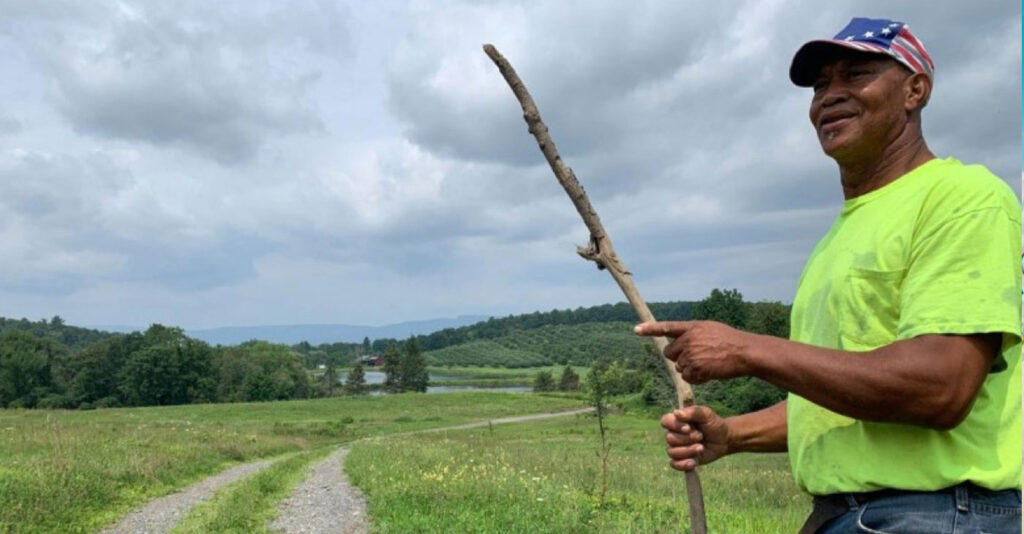
If a man’s true wealth is measured by the community he builds, then Darwin Young is a king. After four decades perfecting the look and boosting the confidence of countless clients, Young recently received the ultimate tribute: a profound act of love organized by the very people whose lives he touched.

facebooktwitterinstagram The Los Angeles Dodgers are once again kings of baseball—celebrating back-to-back World Series championships with a citywide parade and a roaring Dodger Stadium rally

California Connects Regional, the statewide series of convenings hosted by the Governor’s Office of Community Partnerships and Strategic Communications (OCPSC), made a stop in Sacramento on Oct. 21.

They called it Shared Chains. The episode ran on the “Blaac718” podcast, and in that dim space between sound and silence, an Asian American man spoke a truth this country has long tried to drown. “I always tell people,” he said quietly, “the day the Latino, African American, Asian, and other communities realize they share the same oppressor is the day we start winning.

America’s economy is not collapsing by accident. Under President Donald Trump, Russell Vought, and Stephen Miller, a deliberate plan has taken hold, a plan that weakens the labor market, starves families of food and health care, and rewards the wealthy with power and profit. What was once called “economic populism” has become an organized campaign of cruelty that has left the country broken and millions of Americans in despair.

Onyx Impact has released its eye-opening BlackOut Report which reveals that the efforts to derail Black progress are not merely historical footnotes but present-day threats. In just the past eight months, there have been 15,723 distinct impact points, each representing a direct attack on Black opportunities, lives, or histories.

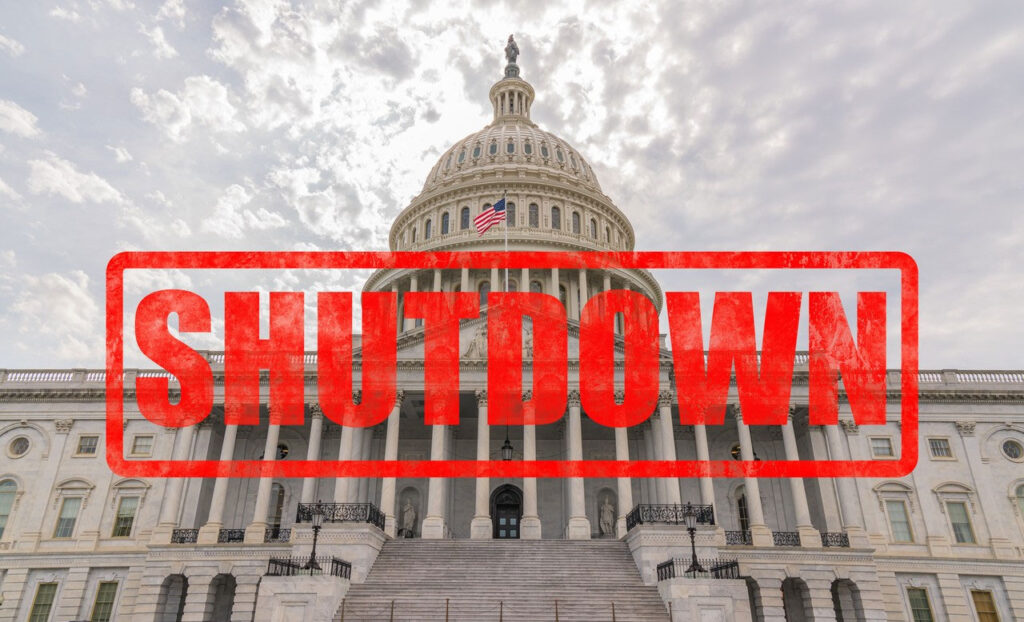
This Saturday marks one month of the federal government shutdown. Hundreds of thousands of federal workers—nearly 20% of whom are Black and 30% of whom are veterans—are missing their second paycheck. Families across the country will be forced to choose between paying for groceries, rent and medical care. President Trump and his allies in Congress are inflicting this pain because they would rather shut down the government than deal with the looming health care crisis that will explode costs for more than 170 million Americans.

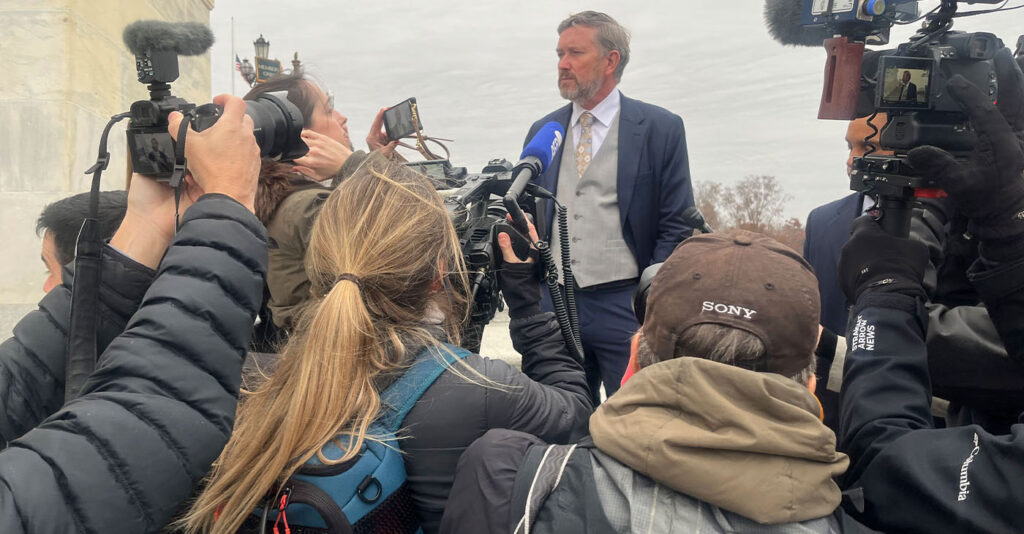
Twenty-five attorneys general across the country and three governors have filed a lawsuit against the U.S. Department of Agriculture and its Secretary, Brooke Rollins, after the agency moved to suspend the Supplemental Nutrition Assistance Program, better known as SNAP, which helps more than 40 million Americans buy food each month.

Two federal judges have ordered the Trump administration to release emergency funds to keep the Supplemental Nutrition Assistance Program (SNAP) afloat — but only temporarily. The rulings, issued Friday, October 31, require the U.S. Department of Agriculture (USDA) to tap into $5.3 billion in contingency reserves to partially cover food stamp benefits for tens of millions of Americans in November.

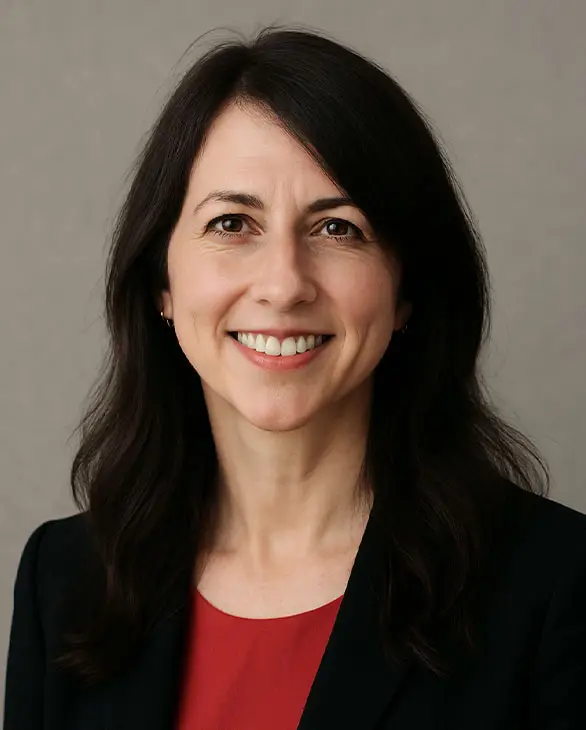
Over the last two legislative sessions, Gov. Gavin Newsom has signed 11 of 30 reparations-focused bills authored by members of the California Legislative Black Caucus (CLBC).

News You Might Have Missed

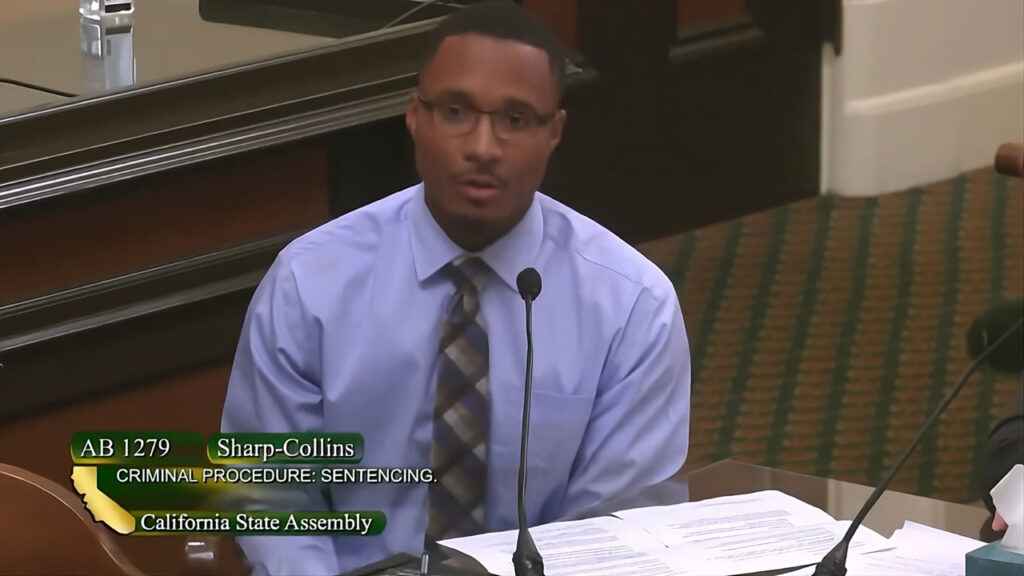
Before the federal government shutdown became imminent — and before the risk of a hunger crisis was clear — Assemblymember LaShae Sharp-Collins (D-La Mesa) introduced a bill aimed at preventing any reduction in CalFresh benefits, if federal funding were ever cut.

Two months ago, famed civil rights attorney Benjamin Crump stood before a ballroom filled with the echoes of history. He did not whisper. He thundered. “If you’ve been blessed,” he said, “you got to pass the blessing on. You just can’t keep it to yourself.” Then he pledged fifty thousand dollars to the Black Press of America. It was not an act of charity. It was an act of faith.

Today is an all-day board meeting for the Smithsonian Regents. Advocates and lawyers are advocating for this quarterly meeting to save over a million artifacts and specimens, particularly at the National Museum of African American History and Culture. A group forming a broad-based coalition called America’s History SOS is presenting over 70,000 signatures to members of Congress who serve on the Smithsonian Board of Regents, to save artifacts at what is affectionately called the Blacksonian (NMAAHC), which opened in September 2016.

I spent my earliest years as an educator searching for books that reflected my students’ experiences; I wanted to introduce them to books that reflected not just the colors of their skin, but also the textures of their lives. I wanted them to see themselves as I saw them: loved, powerful, and full of potential. Too often, those stories were missing from the shelves.

The term “back in the day” is often used as nothing more than a throwaway line. But for Black children growing up in the 1970s, 1980s, and even the 1990s, it was real life. It meant freedom, friendship, and community. It meant the smell of barbecue in the summer air, the sound of jump ropes hitting concrete, and the laughter of children echoing through the neighborhood. “Back in the day” was not just a time. It was a feeling. The Root recently explored what Black kids once did for fun before the world went digital, but we’ve gone a little further.

facebooktwitterinstagram Prop 50 proposes new lines for many of California’s 52 congressional districts, which would negate the five Republican seats drawn by Texas. Democrats could gain

On Saturday, the community gathered not just to celebrate the grand reopening of a historic downtown building, but to reflect on the journey that brought us here. The Woolworth Building, home to the last standing Woolworth lunch counter in the United States, reopened its doors with music, memory, and a message: the past may have been divided, but the future is ours to share.

“Fear is the tool that people use when they don’t really stand for anything. That is what they use,” said LaTosha Brown, the founder of Black Voters Matter, to a crowd of supporters outside a courthouse in Virginia in support of New York Attorney General Letitia James. After being indicted on “mortgage fraud” on Oct. 9, by a Trump Administration Department of Justice that has seen an endless carousel of sudden firings, replacements, and drama, James is defiant. Many legal observers predict that the charges against her will be dismissed.
Free Weekly Newsletter
Kern & LA County news from Southern California's Black press, delivered to your inbox every week.
No spam. Unsubscribe anytime.
Trusted news since 1974.