
By Cecil Egbele | Contributing Writer | California Local News Fellow
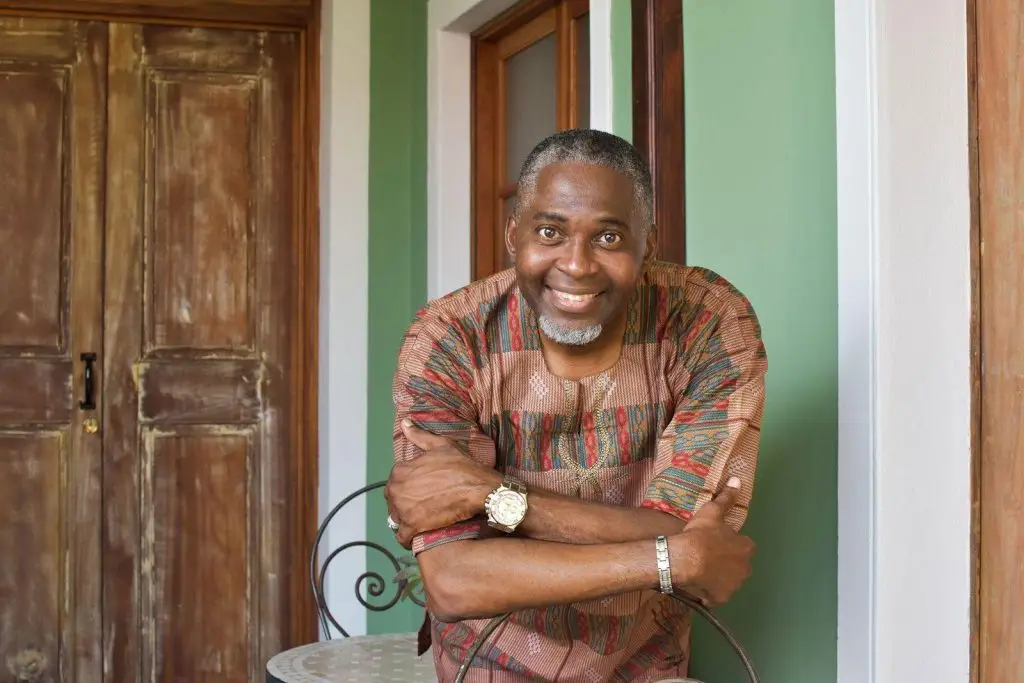
Wrapping up the 17th Silicon Valley African Film Festival, founder Chike Nwoffiah spoke with Bakersfield News Observer writer Cecil Egbele about the submission selection process, where African Americans fit in an “African” festival, and this year’s Icon Award.
The interview has been slightly edited for length and clarity.

Cecil: The festival selected 76 films from nearly 1,000 submissions this year. What guided the selection?
Chike: We are not a production factory. It is important that our humanity is reflected in what we do. Films in our Festival do not necessarily have to be very glossy in terms of high budget, but if they have something to say, a unique point of view, and can serve as a wayfinder into African cultures and peoples, that matters in our selection. We also look for films that are true to the filmmaker’s voice. We allow all kinds of stories, from comedies to tragedies and horror. We don’t prescribe what filmmakers should bring to us.
Cecil: Your guiding phrase is “Africa through the African lens.” What does that mean?
Chike: There is no one African lens. We want to include the idea of community knowledge that is authentically African. If we are trying to tell African stories and invite storytellers into Silicon Valley, it is important that we respect their voices. Rather than announcing a theme and accepting only films that fit it, we allow filmmakers the freedom to tell their stories. Our curatorial team then decides which films to present and what conversations those films can inspire.
Cecil: Where do African Americans fit into that vision of the festival?
Chike: I get irritated when we talk about Africa and then talk about African Americans as if they are a completely different breed of human beings. They are part of our historical diaspora. They are our brothers and sisters, including those who have been here for more than 400 years, those who laid the foundation and shed their blood so we can sit here today.
That is why this is the ‘African Film Festival’. We are celebrating the children of Africa wherever they express themselves, whether they arrived two years ago or have been here for 600 years. Our histories are unique and diverse, and we must honor those journeys. But we must begin to find each other, reconnect, and stop buying into the silos that divide us.
Cecil: You also spoke a lot about decolonizing the mind. How does that idea connect with the Blacks in the United States?
Chike: My book, Beyond Diplomas: Decolonizing the African Mind for Transformational Leadership, draws on my experiences as an African, but its ideas are not limited to Africa. African Americans connected with the book because they understood its themes.
Some experiences are universal: if you have been oppressed by another group simply because that group could, and you live in a society still organized by racial structures, where the darker your shade and the thicker your accent, the lower you are on the totem pole, you understand how those structures can shape society.
Much of the book is metaphorical. Going beyond diplomas means you get the diplomas and then go beyond them. You don’t accept the colonizers’ definition that once you have your diplomas, the world is suddenly better for you. We must ask what comes after education and how we use what we have learned to transform ourselves and our communities. That has never been the African way.
What I say about Africans returning to the continent can apply anywhere, such as someone leaving America’s inner cities and coming back. Someone leaves a place, hopefully succeeds, and returns. Racism in America is colonialism itself. It’s one country, three nations. There’s enough space to apply this conversation irrespective of who you are and how you got here on this planet.
Cecil: Why did the festival choose Dr. Sona Jobarteh for its 2026 Icon Award?
Chike: Every year, we recognize someone who goes beyond what they are typically known for and does something that uplifts the dignity of African people.
Dr. Sona Jobarteh has demonstrated excellence in her craft and reached the top of her game in her home country, The Gambia, and internationally. But what particularly impressed us was her dedication to education through The Gambia Academy. It is one thing to keep talking, but at some point, you have to transfer those words into action.
She has used her influence to do much more than music, particularly in education. We looked at her profile, tried to understand her impact, and sought community perspectives. I am proud we chose her.
Cecil: What should audiences expect from the festival going forward?
Chike: We will continue to create space for African storytellers to bring their stories to Silicon Valley and California. Our festival takes place on the second weekend of October every year, and our commitment remains to celebrating Africa through the many lenses of its people.
