
By Austin Gage | Contributing Writer
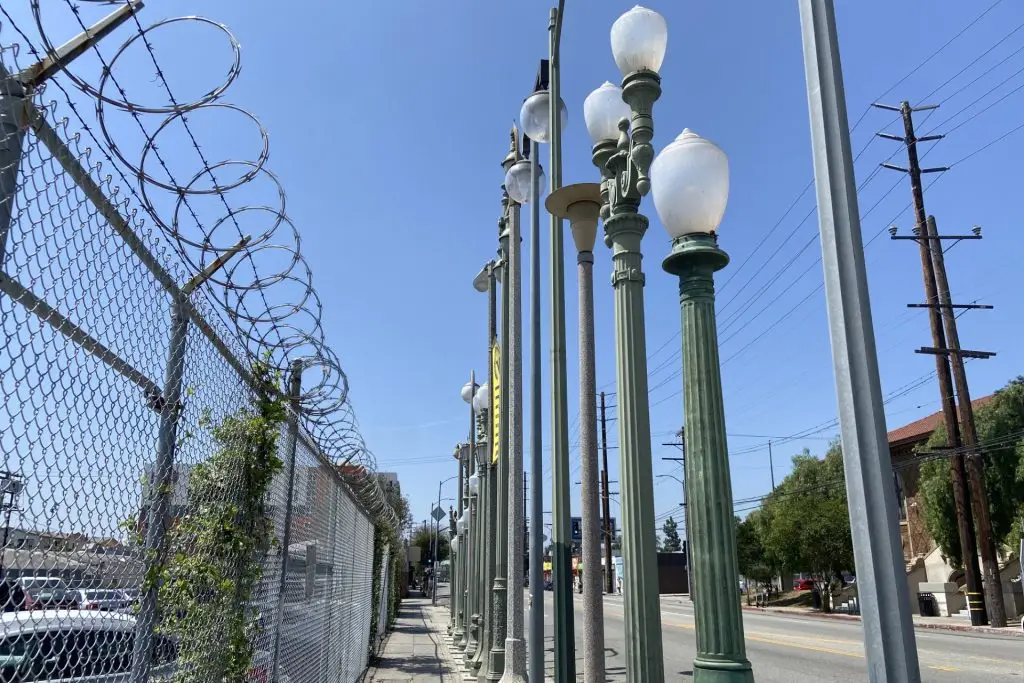
In preparation for a proposed assessment ballot, the Los Angeles Bureau of Street Lighting held a media briefing Wednesday.
The special benefit assessment, which about half a million designated property owners should expect through a mailed ballot on April 17th, will include the specific amount calculated for their property for street light repairs and necessary maintenance. The last day to return the unique ballot, which is not the same as the Mayoral Election/State Primary Election, is June 2nd.
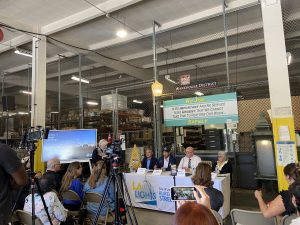
The Bureau, also known as the BSL for the City of Los Angeles, detailed four key themes regarding the street light assessment for holding the public education event: security and crime prevention, safety, economic activity and access, and aesthetics.
With about 185 field staff, 150 vehicles and 35 electrical crews that repair the street light system, the BSL illuminates over two-thirds of the city thanks to over 9,000 miles of conduit underground and 27,000 miles of copper wire.
In addition, the BSL has developed new technology to improve the state of streetlights across the city in the most innovative and efficient manner possible.
Development of over 1,000 EV charging stations and different types of cameras, detectors, and pedestrian counters fall into the umbrella of the BSL’s recent work.
As explained by Fabian Cheng, Assistant Director and Chief Engineer for the BSL, commitment into the assessment ballot will help with a broader reach than just the maintenance of streetlights.
“The Bureau of Street Lighting is providing more than lighting. What was one type of organization has grown to provide a lot more than that,” said Cheng.
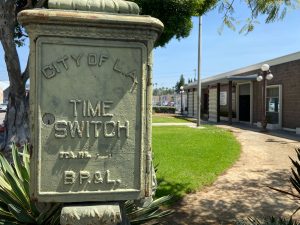
As part of the current process, official repair times for street light repairs average one year. If the special assessment is to pass, funding will increase resources for said repairs and improve maintenance.
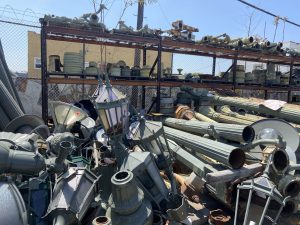
Many roadblocks have made life difficult for BSL crews. These include LED lights that are due for replacement after a 10-15 year lifespan, older poles deteriorating, electrical conduit underground experiencing metal corrosion, wire/power thefts and general vandalism tainting the established elements.
While the foundation for the BSL still works as intended, it is not fully maximized in terms of efficiency.
Manuel Reyes Hago, Street Lighting Construction and Maintenance Superintendent, described the issue with the elderly system.
“Our system ages. A lot of the system [was] built in the 20s, 30s, 40s, 50s and is still working as we speak. The conduit is the same, the wiring is the same. We have to upgrade that constantly,” said Reyes Hago, “As our system ages, the repairs do become lengthier. It involves more resources to make these repairs; we’re struggling to keep afloat.”
New technology such as a plasma cutter to produce doors and base wraps for the electrical system, and 3D printers that make pull boxes for the street lights that serve as access points for wide areas.
Maximization of resources is something that the BSL stressed in the briefing and is something they believe the voters should be aware of.
Put simply by Miguel Sangalang, Executive Director and General Manager for the Bureau of Street Lighting, efficiency is king.
“We look at data to make sure that we deploy our resources in places that need it most in terms of repairs and multiple service requests. We’re using every form of technology from solar to 3D printers. We’re using new engineering standards. Every single new street lighting system that’s being built today is built to the highest standards now of security and function,” Sangalang said.
If the assessment ballot passes, those designated property owners would see a monetary cost increase based on their property and the type of use. Under the current assessment, single family residents pay about $53 to $83 annually, or about $5 a month for the costs of streetlights in their neighborhood. The updated assessment on the upcoming ballot would come out to be about $12 a month for those residents, or $117 annually.
Additionally, the assessment would go into effect the next fiscal year should it pass.
For more information, the BSL encourages information seekers to visit their website for more.