By Cecil Egbele | Contributing Writer | California Local News Fellow
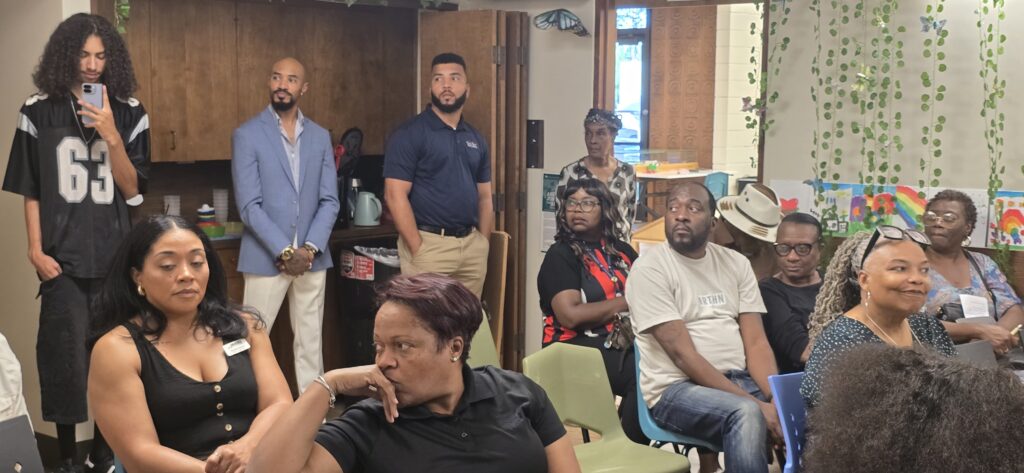
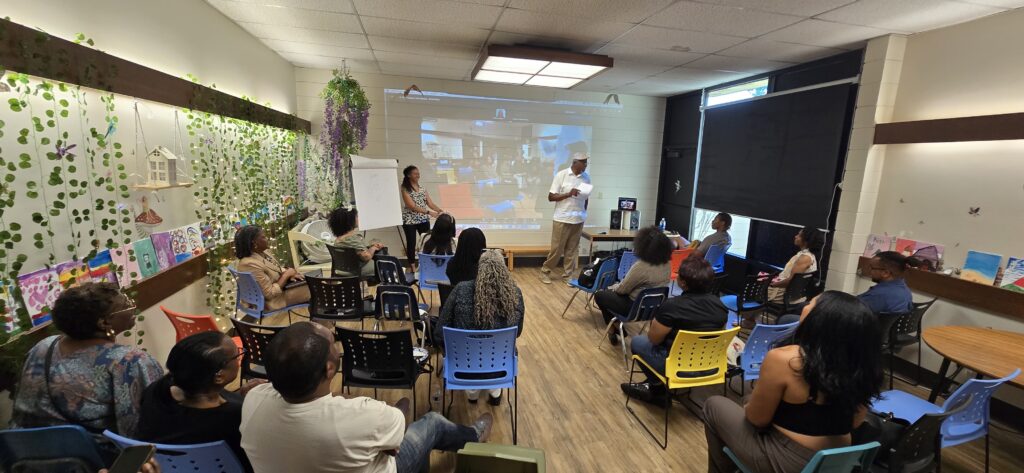
On Tuesday, June 30, 2026, at the Holloway-Gonzales Library on Brundage Lane, small and medium-sized local entrepreneurs gathered for the launch of a new training program to coach minority and underinvested neighborhood business owners in Kern County on the technical tools and leadership skills needed to grow their income.
The event introduced a new workshop and mastermind series under the Kern Inclusive Entrepreneurship Hub (KIEHub), a program of the Bakersfield-based nonprofit 3C Capital Fund Inc. titled “Making Money in 2026.”
Income, Revenue, and Wealth
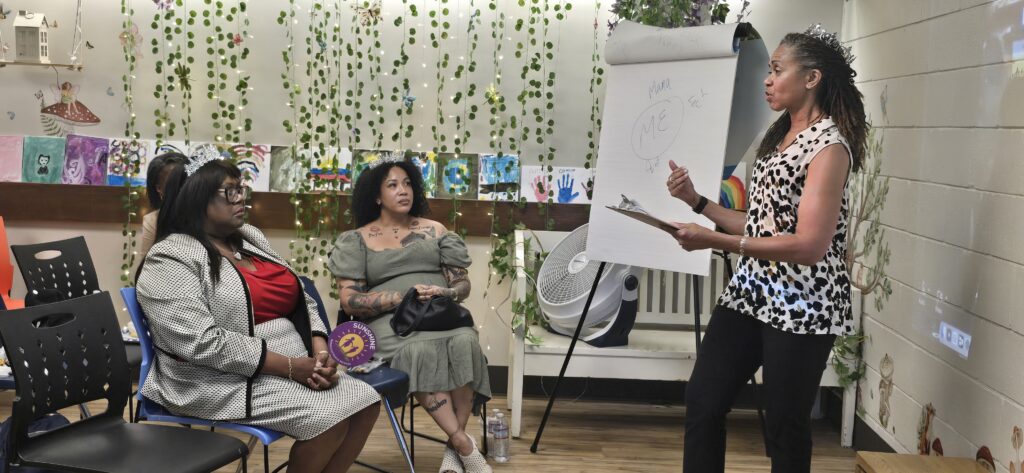
Serial founder and former corporate executive, Anita Darden Gardyne, blended lessons in revenue, wealth, and communication with a desire to see that Bakersfield’s underserved entrepreneurs receive Silicon Valley‑level access to capital, contracts, and networks.
She opened her presentation by challenging the audience to rethink the difference between income and wealth. “We do need revenue,” she said, “we need access to capital. We need money.” She urged founders to focus on profit and cash flow, not just top-line revenue, recalling her experience overseeing payphone operations where high revenue masked poor collections. “You weren’t keeping cash,” she said, recalling her payphone example.
Gardyne shared the steep barriers minority founders face when navigating the tech and investment landscapes. “Investment is like an eighth-grade cafeteria,” she stated in an interview with the Bakersfield News Observer. “Blacks invest in Blacks, whites invest in whites, Asians invest in Asians. Because there is limited capital within underserved communities, you have to bring in allies who share the vision that capital follows talent– not color, gender, or race.”
Gardyne, who will deliver a masterclass in November, framed her role at the Hub around what she says founders actually need: “Access to capital, access to contracts, access to business preparation and access to a network.”
The 60‑Second Pitch and the Power of Networks
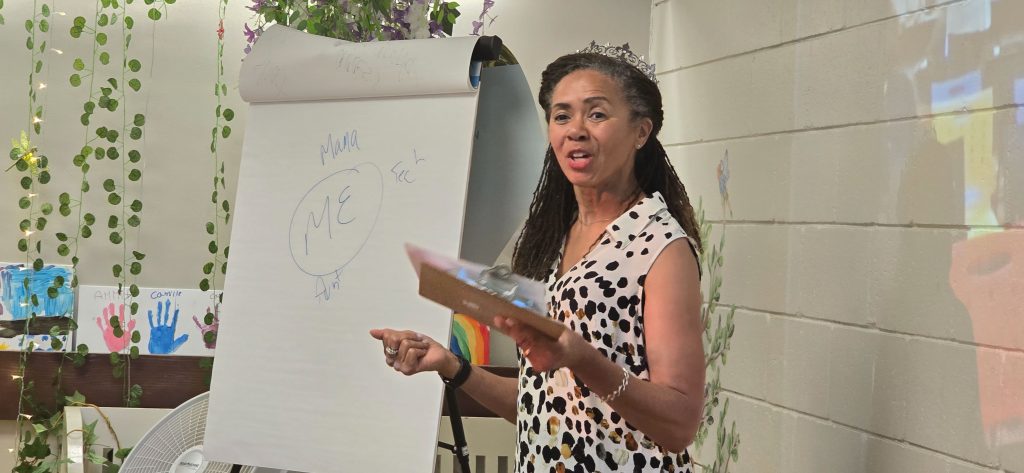
Gardyne reminded the audience that one of the golden rules of being a successful entrepreneur is being able to sell yourself or your business impromptu. “Does everybody in the room have a 60‑second pitch?” she asked. She said a class called “Communicating with Confidence” will help participants make a good first impression and capture investors’ interest. She also stressed the importance of network building. “You need trust and you need a good network.”
Joining the workshop virtually via Zoom from Palo Alto was Chris Yeh, a venture capitalist and co-author of the business book Blitzscaling. Yeh, an early investor in Gardyne’s previous businesses, offered advice on market testing and on maintaining an open mind.
“The single most important lesson that any of us needs to follow is to make something people want,” Yeh advised. “You have to be willing to unlearn the lessons of your past. If you cannot figure out a way to find an audience that really wants your product, then find a different audience or a different product.”
Funding Opportunities for Minority and Small Business Owners
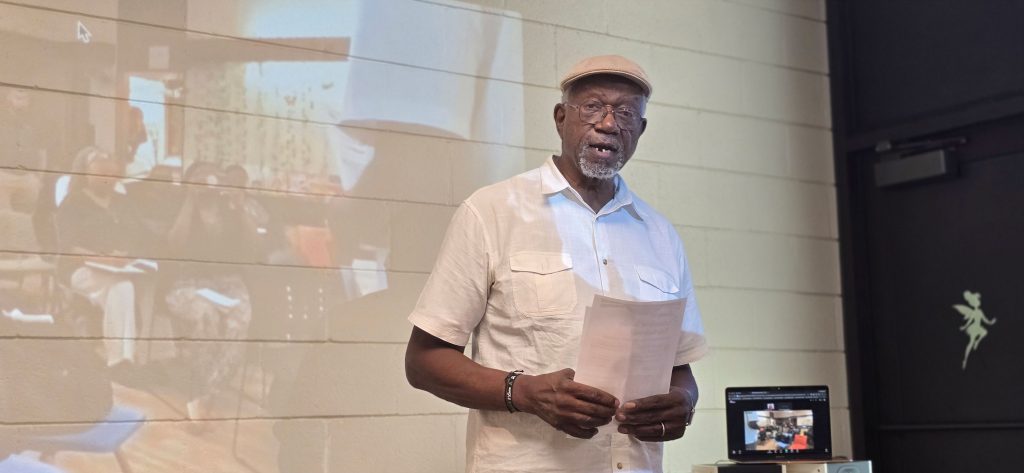
Ali Morris, president of 3C Capital Fund Inc. and the program’s organizer, stated that KIEHub offers lasting, direct support utilizing funds available from the state government to help small businesses.
He also said the hub will help low-income and minority-owned businesses access capital that traditional lenders often deny them.
“The banks want to loan money, but they don’t want to loan it if they think you’re going to default,” said Morris. “We make sure that the businesses are prepared to get the loan, and we work directly with institutions so they know our graduates are thoroughly prepared.”
Training Schedule and Thoughts on KIEHub
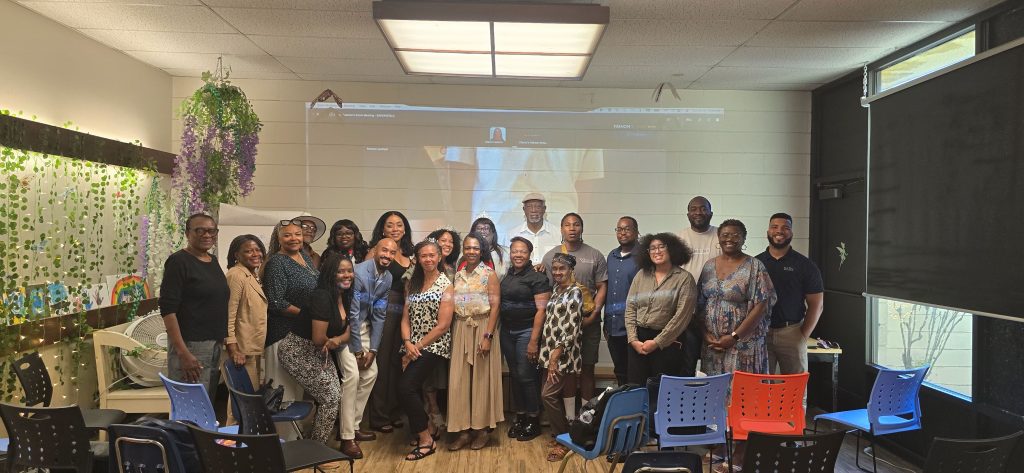
Organizers say the “Making Money in 2026” curriculum will feature months of training in acquiring government contracts, certificate programs in artificial intelligence for business growth, pitch coaching, leadership development, and a venture capital masterclass.
The disparities the program aims to address were highlighted by Blaine Hodge-Richard, president of the Kern County Black Chamber of Commerce. He lamented that access to capital remains uneven. “Equity is different from equality,” he said. “It needs to be a little bit more customized to the businesses that need it. The Black entrepreneur is necessary; we shape the culture and set the tone. This program is going to start giving our community the ability to do that in business.”
Shalanda Davis-Layton, founder of the youth nonprofit Charmed and Chosen, said an earlier cohort helped her secure a facility for youth. “Since being in Mr. Ali’s program, we now have a youth center, which we didn’t have,” she said. She encouraged undecided business owners, “Join the program and make the commitment. You cannot miss sessions because there are valuable subject matter experts on specific topics. There’s a program for every aspect of your business.”
Wanda Neal, a local travel advisor and first-time KIEHub attendee, noted the program’s potential for existing businesses trying to break into local or state government travel contracts. “It sounds like a really rich program for those needing help getting started, or for those who aren’t aware that they can do something of this magnitude,” Neal said.
Kern Inclusive Entrepreneurship Hub has been ongoing for four years. Registration for the next cohort is expected to close in mid-August, with the program set to begin in September.