
By Cecil Egbele | Contributing Writer | California Local News Fellow
Valadao vs. Villegas: Where the Candidates Stand on Health Care, Water, Immigration and the Economy
California’s 22nd Congressional District race pits Republican incumbent David Valadao, R-Hanford, against Democratic challenger Randy Villegas in a contest over issues that affect households, farms and businesses across the Central Valley. The winner will represent the district in the U.S. House, where decisions on federal spending, health care, immigration, taxes, and water policy affect the region.
Valadao, a dairy farmer who has served multiple terms in Congress twice, is seeking to retain his seat. Villegas, a teacher and former school board trustee who grew up in Bakersfield, is campaigning on affordability, health care, and stronger protections for working families.
The candidates offer different approaches to the role of government, how to provide and fund health care, and how to balance economic development with the needs of residents and the region’s natural resources. Their responses to KGET’s Oct. 6 candidate questionnaire, along with their campaign platforms, provide a starting point for examining where they agree, where they differ, and what voters may want to consider before casting their ballots.
Bakersfield News Observer
Get Bakersfield news that speaks to us.
The stories Kern County's Black community needs, in your inbox every Wednesday. Free.
Free weekly newsletter. Unsubscribe anytime.
Meet the candidates
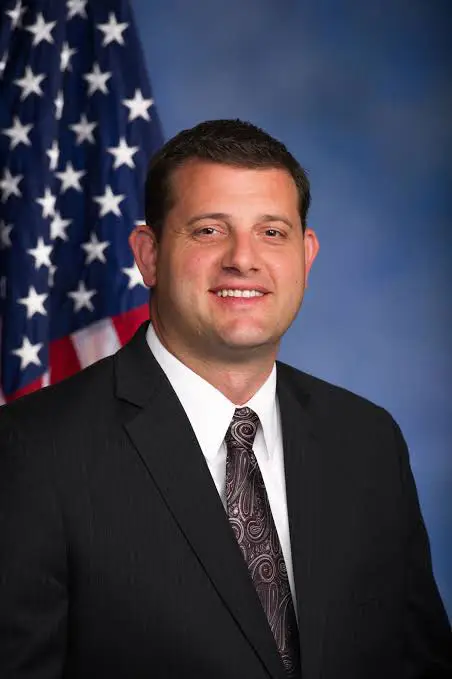
David Valadao, Republican, incumbent
Valadao was born in Hanford and raised on a dairy farm in the Central Valley. He has made agriculture and water policy central to his political identity.
Valadao served in the California State Assembly from 2010 to 2012 and in the U.S. House from 2013 to 2019, returning to Congress in 2021. He describes his approach as conservative, emphasizing limited government, personal responsibility, and policies intended to help families, farmers, and small businesses.
In his questionnaire, Valadao said his congressional work has focused on lowering costs, improving access to health care, strengthening water infrastructure, and supporting agriculture.
He also cited $540 million for water storage and conveyance projects and more than $49 million in federal funding for district projects.
His campaign’s positions are available on his official issues page.
Randy Villegas, Democrat, challenger
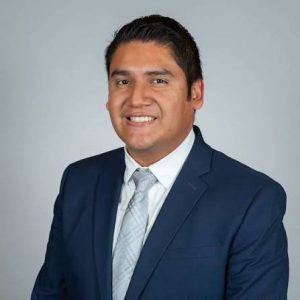
Villegas grew up in Bakersfield and attended local schools before earning an associate’s degree at Bakersfield College and a bachelor’s degree from California State University, Bakersfield. He later earned a doctorate and became a teacher at the College of the Sequoias.
He has also served as a trustee for the Visalia Unified School District and helped run his family’s auto shop.
Villegas says his experience growing up in a working-class family informs his focus on health care, affordability, and support for workers. He argues that federal policy should prioritize working families rather than large corporations and wealthy donors.
His campaign platform includes universal health care, lower household costs, stronger protections for farmworkers and oil and gas workers, and greater oversight of corporate influence in politics. His full platform is available on his campaign website.
Where they stand on the issues
Health care and affordability
Both candidates identify the cost of living and access to health care as concerns, but they propose different approaches.
Valadao favors a market-based health care system that preserves individual choices and the relationship between patients and doctors. In his questionnaire, he said the government should help people who cannot afford insurance but should not take control of health care decisions. He also lists housing, grocery, and energy costs among his priorities.
Villegas supports guaranteeing health care for every American. He says federal cuts to health programs would harm Central Valley families and rural hospitals, and he supports a one-time 5% tax on California billionaires to help fund health care and other social programs. He has also proposed suspending the federal gas and diesel tax and eliminating income tax on the first $70,000 families earn.
The candidates disagree on how to finance health care, the role of government, and whether new taxes on the wealthiest Californians should help pay for social programs.
Water, agriculture and energy
Water policy is central to the region’s economy. Farmers need reliable supplies, while households and businesses face questions about water availability and infrastructure costs.
Valadao points to his work on water storage and conveyance projects and says he supports strengthening water infrastructure and protecting agricultural producers. He also emphasizes the importance of maintaining jobs and supporting the region’s farms and businesses.
Villegas says he wants to protect water supplies and public lands while ensuring that working people benefit from the region’s economy. He has also called for a one-year moratorium on new data center construction in the Central Valley until safeguards are established, arguing that large facilities could place additional pressure on water supplies and electricity costs.
Valadao says data centers are important to the economy and national security but says that development should protect water supplies, ratepayers, and local interests.
Villegas wants a temporary halt while safeguards are developed.
Jobs, taxes and the role of government
Valadao argues that limiting regulation and keeping more money in the hands of individuals and businesses can encourage economic growth. He says federal policy should support farms, small businesses, and workers while avoiding unnecessary costs.
Villegas argues that government should do more to protect working families and curb corporate influence. He says he would oppose tax increases on middle-class families while seeking greater contributions from billionaires and changes he believes would lower household expenses.
The two candidates’ approaches differ over how much government should intervene in the economy, how social programs should be funded, and what obligations large corporations and wealthy individuals should have.
Immigration
Both candidates support changes to the immigration system and have supported providing a path to legal status for at least some people already living in the country.
Valadao says reform should combine border security with a legal process for people who have established lives in the United States. He also points to his past support for legislation addressing people brought to the country as children, commonly known as Dreamers.
Villegas argues that enforcement resources should prioritize violent criminals, stating that current policies negatively impact long-term residents, business owners, and farmworkers. He advocates for comprehensive immigration reform and protections for Dreamers.
Their positions share some common ground on the need for reform, although they differ in how they describe current enforcement and the priorities of future legislation.
What voters should compare
Voters should look closely at each candidate’s plans around health care, federal spending, water infrastructure, and economic development. They should consider how these plans will affect workers, farmers, families, and local communities.
The KGET questionnaire includes the candidates’ own responses. Their official websites provide additional information, but voters should distinguish between campaign proposals and independent analyses of how those proposals might affect the district.
