Bakersfield

Political Playback: California Capitol News You Might Have Missed
News You Might Have Missed

News You Might Have Missed

The National Institute for Early Education Research reports that a robust and growing body of international research shows that too many children across the globe are not receiving nurturing care in their second 1,000 days of life.
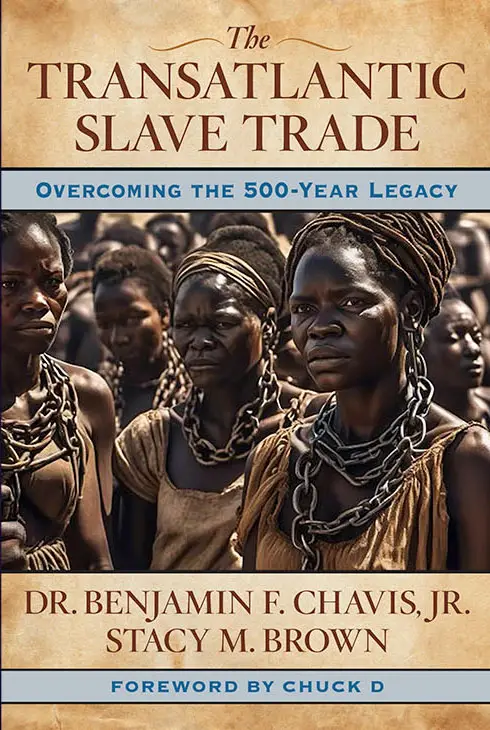
A year after its release, The Transatlantic Slave Trade: Overcoming the 500-Year Legacy stands not only as a record of history but as a warning to the present. When Dr. Benjamin F. Chavis Jr. and this writer published their searing exploration of slavery’s enduring impact, they were documenting centuries of pain and resistance. Today, under the Trump administration, the book feels like a mirror held up to an America slipping backward into the shadows it once pretended to escape.
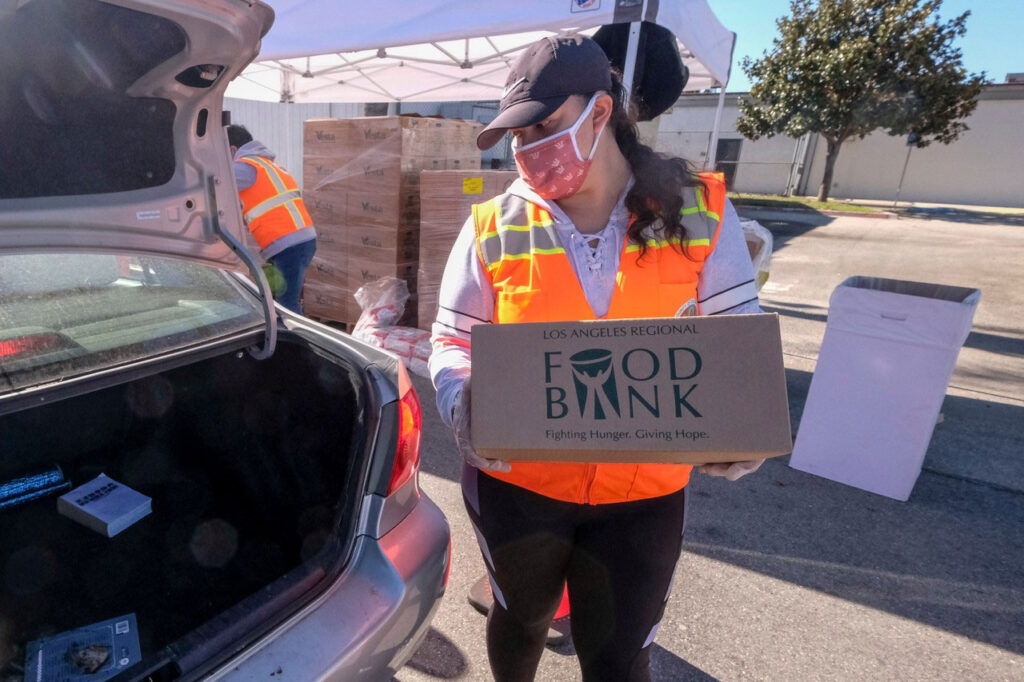
Amid a crowd of thousands waiting for groceries at a San Diego food distribution site on Nov. 2, Josh Fryday, Director of the Governor’s Office of Service and Community Engagement (GO-Serve), stood alongside California Service Corps members to launch Operation Feed California, a statewide effort to help the 5.5 million Californians struggling with delayed SNAP benefits during the ongoing federal government shutdown.

By 8:30 p.m. on election night, the story was unmistakable. America had spoken, not with a whisper but with a roar that swept from Richmond to Atlanta, from Newark to New York City. The message was clear. The nation had seen enough of the cruelty, chaos, and conspiracies that marked the Trump years. What followed was not a trickle of blue, but a flood.
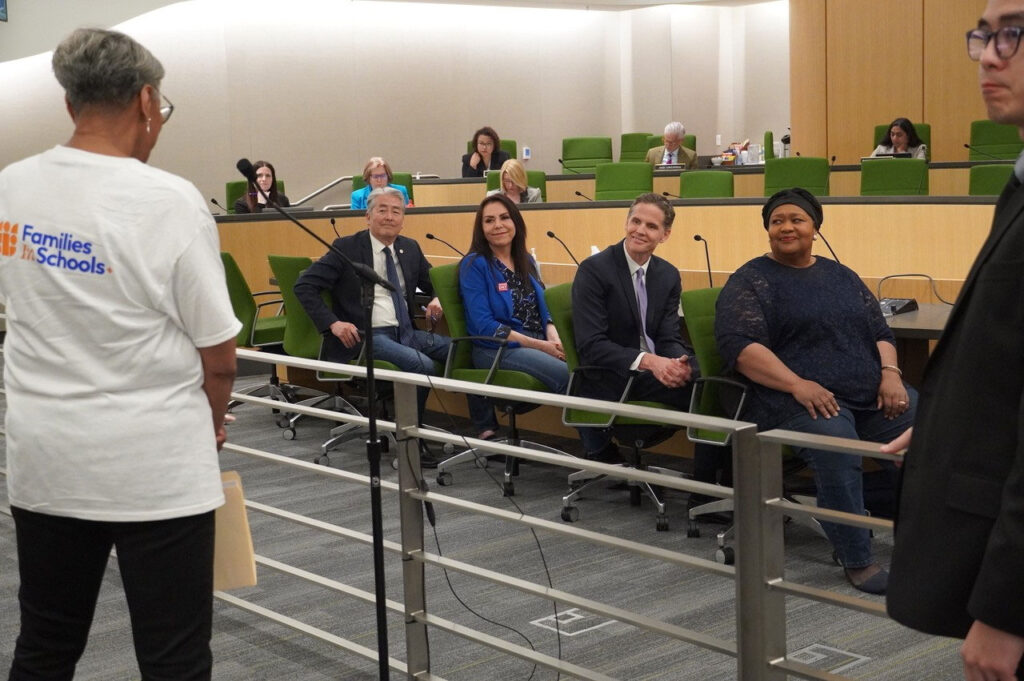
California is set to overhaul how it teaches reading to K-8 students after Gov. Gavin Newsom signed Assembly Bill (AB)1454, a landmark reform authored by Assembly Speaker Robert Rivas (D-Hollister) and supported by the NAACP California-Hawaii State Conference
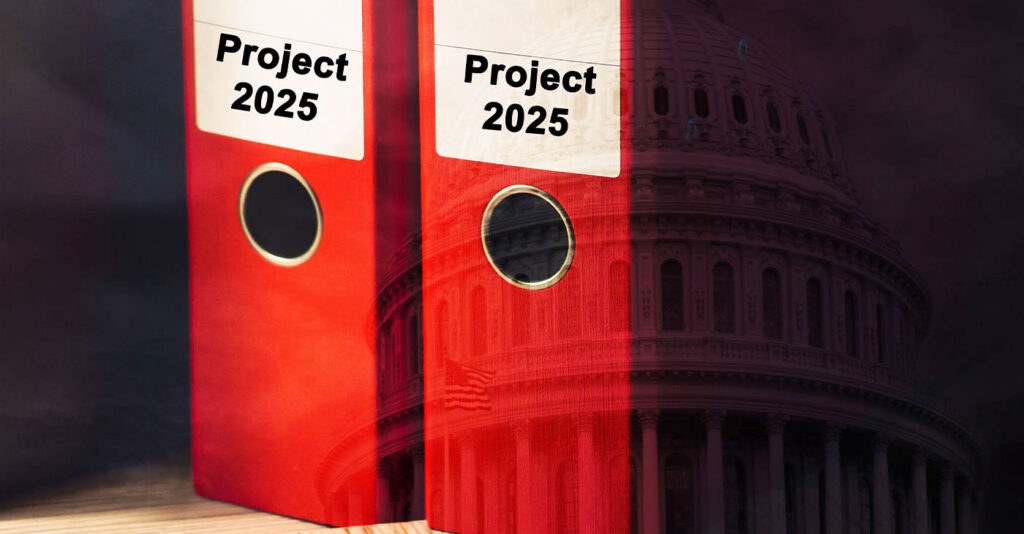
They said it would never happen here. Yet here we are. Forty-eight percent of Project 2025, the Heritage Foundation’s fascist playbook for dismantling American democracy, has already been put into motion. Nearly half of this regime’s roadmap to erase civil rights, gut public programs, and reimpose racial hierarchy has been realized, with Black America once again standing at the edge of the abyss.
In a political season defined by distrust, Californians did something rare on Tuesday night. They stood up for democracy. Proposition 50, approved by a wide margin, was more than a ballot measure. It was a statement of intent. Voters sent a message that when the system begins to fracture, citizens still have the power to restore it.
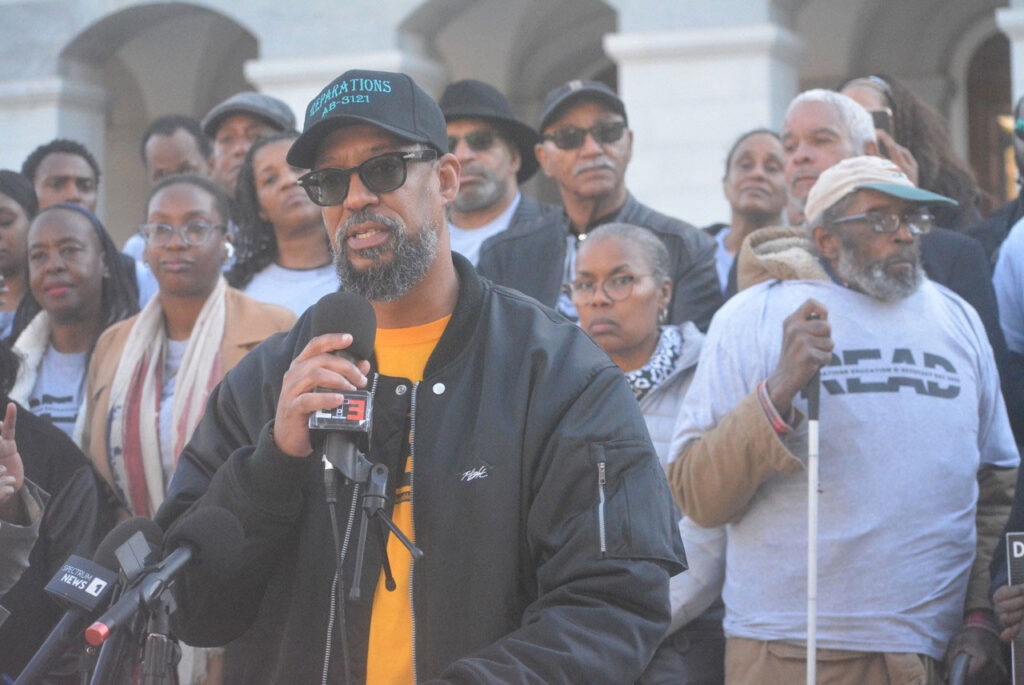
Over the last two legislative sessions, Gov. Gavin Newsom has signed 11 of 30 reparations-focused bills authored by members of the California Legislative Black Caucus (CLBC).
News You Might Have Missed
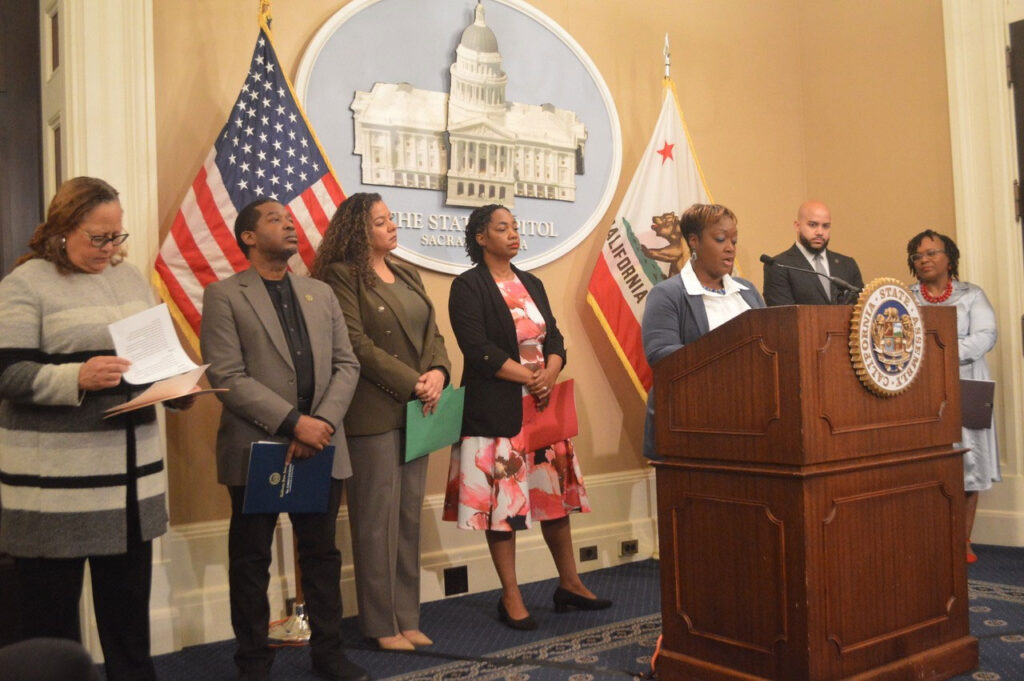
Before the federal government shutdown became imminent — and before the risk of a hunger crisis was clear — Assemblymember LaShae Sharp-Collins (D-La Mesa) introduced a bill aimed at preventing any reduction in CalFresh benefits, if federal funding were ever cut.

Two months ago, famed civil rights attorney Benjamin Crump stood before a ballroom filled with the echoes of history. He did not whisper. He thundered. “If you’ve been blessed,” he said, “you got to pass the blessing on. You just can’t keep it to yourself.” Then he pledged fifty thousand dollars to the Black Press of America. It was not an act of charity. It was an act of faith.
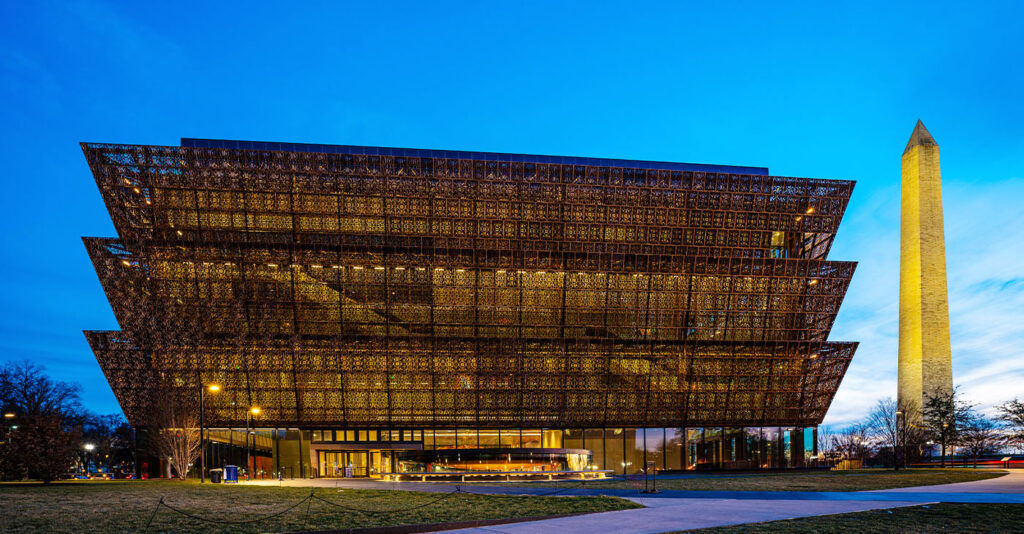
Today is an all-day board meeting for the Smithsonian Regents. Advocates and lawyers are advocating for this quarterly meeting to save over a million artifacts and specimens, particularly at the National Museum of African American History and Culture. A group forming a broad-based coalition called America’s History SOS is presenting over 70,000 signatures to members of Congress who serve on the Smithsonian Board of Regents, to save artifacts at what is affectionately called the Blacksonian (NMAAHC), which opened in September 2016.

I spent my earliest years as an educator searching for books that reflected my students’ experiences; I wanted to introduce them to books that reflected not just the colors of their skin, but also the textures of their lives. I wanted them to see themselves as I saw them: loved, powerful, and full of potential. Too often, those stories were missing from the shelves.

The term “back in the day” is often used as nothing more than a throwaway line. But for Black children growing up in the 1970s, 1980s, and even the 1990s, it was real life. It meant freedom, friendship, and community. It meant the smell of barbecue in the summer air, the sound of jump ropes hitting concrete, and the laughter of children echoing through the neighborhood. “Back in the day” was not just a time. It was a feeling. The Root recently explored what Black kids once did for fun before the world went digital, but we’ve gone a little further.
News You Might Have Missed

In January 2025, the NAACP and the law firm Singleton Schreiber filed a lawsuit against Southern California Edison Company and Edison International on behalf of Altadena residents whose homes and businesses were destroyed in the Eaton Fire.

ProPublica’s in-depth investigation reveals that Russell Vought, Donald Trump’s former budget director, is the real power inside this White House. Vought is the principal author of Project 2025, a racist and authoritarian blueprint that reshapes government around a single goal: to make America a white Christian nation.
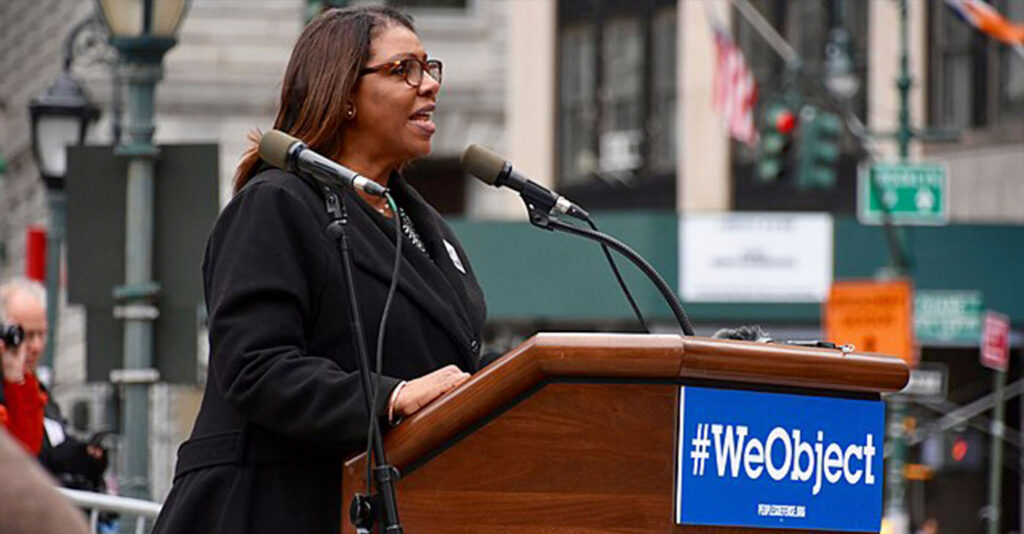
Tish James, the New York Attorney General, will be arraigned in Norfolk, Virginia, today on one count of bank fraud. Advocacy groups are at the courthouse in support of James to deliver a strong message against intimidating strong Black Women.

You can try to bury people. You can rewrite their history books, close their schools, and burn their libraries. You can pass laws that punish truth-tellers and silence teachers who dare speak the name of freedom. But you cannot silence color. You cannot silence the wall. Across this country, in cities both proud and scarred, the story of Black America refuses to die. It is written not in the ink of permission, but in the paint of defiance. It rises on concrete, brick, and steel. The murals speak where the history books fall silent.